

Q I am a housewife in my 60s. Having lived in Dongincheon for a long time and in a house with many stairs, my hip joint has gradually started to hurt. Why does hip pain occur?
A Hip pain is caused by various factors, including degenerative changes, bursitis, hip impingement syndrome, and necrosis of the femoral head. As one ages, pain begins when cartilage wears down or surrounding ligaments and muscles weaken. A lifestyle involving frequent use of stairs can increase joint pressure and worsen symptoms. A professional diagnosis is necessary to identify the exact cause.
Detailed Answer
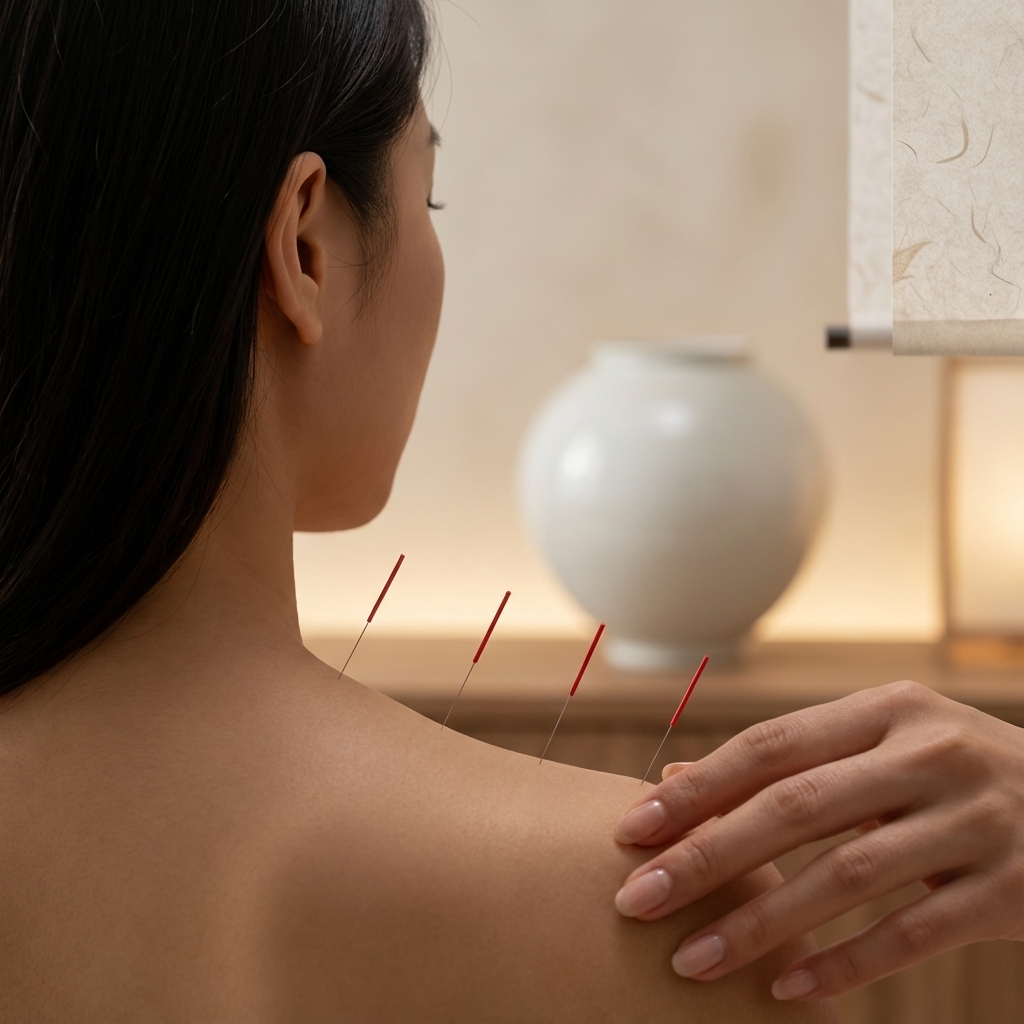
The causes of hip pain are broadly divided into problems with the joint itself and problems with surrounding tissues. Degenerative arthritis involves friction between bones as cartilage wears down, while greater trochanteric bursitis is inflammation of the bursa on the outer side of the hip joint. Hip impingement syndrome (FAI) damages the cartilage as the femoral head and the acetabulum collide abnormally. Avascular necrosis of the femoral head is a severe condition in which bone tissue dies due to the blockage of blood flow, and systemic inflammatory diseases such as rheumatoid arthritis can also be a cause. In Korean medicine, the hip joint is the site where the energy of the organ governing bones intersects with that of the organ governing tendons. As one ages, kidney energy declines, preventing sufficient bone marrow production; conversely, a deficiency in liver energy causes muscles and ligaments to lose flexibility, leading to reduced joint stability. Since the Gallbladder Meridian runs along the side of the hip joint, stagnation of Qi and blood results in lateral pain and limited movement. At Dongjedang, we view this condition as one where bones and joints are weakened due to weakened kidney energy. Our approach involves using needle acupuncture to separate adhered surrounding ligaments and fascia, managing local inflammation with pharmacopuncture, and internally restoring kidney and liver functions to create an environment conducive to bone and tendon regeneration.
Related FAQs
-
Q
I was advised by the hospital to have artificial joint surgery because my hip joint is severely worn down. Can I postpone the surgery through Korean traditional medicine treatment?
#Possibility / Realistic Goals
-
Q
I am in my 20s or 30s and am worried because my hip hurts. Is Korean traditional medicine effective for young people?
#Possibility / Realistic Goals
-
Q
I have both a herniated disc and hip pain. Can both be treated at the same time?
#Comorbidities
-
Q
Can I continue exercising when I have hip pain? What exercises are helpful?
#Lifestyle Management
-
Q
What precautions should be taken regarding sleeping, sitting posture, and daily habits to reduce hip pain?
#Lifestyle Management