
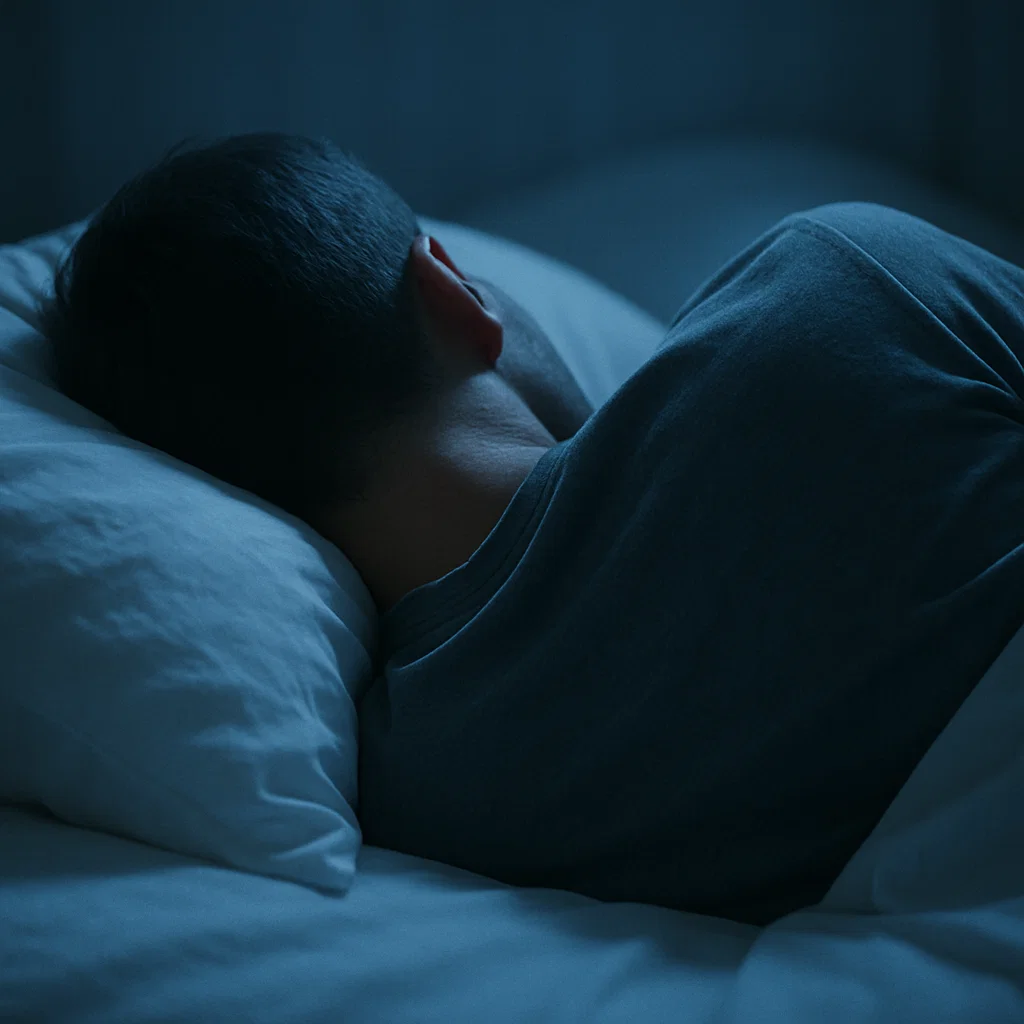
Narcolepsy
Narcolepsy
Excessive daytime sleepiness and sudden sleep attacks
# Possibility / Realistic Goals (2)
Q Is it realistically possible to keep a job with narcolepsy? I feel self-conscious at work.
A. Many people with narcolepsy maintain their jobs under consistent management. Requesting workplace accommodations such as a 15-20 minute nap after lunch or adjustments to your duties is also a realistic strategy. If symptoms are well controlled, it is entirely possible.
View details →Q My middle-school child keeps falling asleep in class and gets reprimanded by the teacher. Could it be narcolepsy?
A. Adolescence is one of the times narcolepsy first appears. Polysomnography (including the MSLT) is needed to distinguish it from sleep deprivation. If the diagnosis is confirmed, it is important to inform the school of the medical facts and request support.
View details →# Comorbidities (2)
Q I have narcolepsy but also severe depressed mood and no motivation. Do narcolepsy and depression come together?
A. The co-occurrence rate of depression and anxiety disorders is higher in people with narcolepsy than in the general population. Social limitations and chronic fatigue can have a psychological effect, and there is also a neurobiological connection. Integrated management that addresses both is needed.
View details →Q The sleep clinic said I have both narcolepsy and sleep apnea. Can both be treated at the same time?
A. When sleep apnea is also present, nighttime sleep quality worsens and daytime sleepiness becomes more severe. Treating it first with CPAP can partially relieve narcolepsy symptoms too, so managing both together is effective.
View details →# Lifestyle Management (2)
Q I commute by bus in Dong-gu, Incheon, and I often miss my stop because of drowsiness. Is there anything that actually helps with managing daytime sleepiness?
A. Taking short naps of under 20 minutes (power naps) at set times is the most effective approach. While traveling, set an alarm and get into the habit of standing up at the stop before your destination. Keeping a regular schedule reduces the frequency of sleep attacks.
View details →Q Even when I try to go to bed early at night I can't fall asleep, and during the day I'm overwhelmed by sleepiness. How should I set my sleep rhythm?
A. Fragmented nighttime sleep is common in narcolepsy. Fix your bedtime and wake time, and create a routine of turning off screens and relaxing two hours before bed. Limiting naps to before 3 p.m. and under 20 minutes can reduce disruption to nighttime sleep.
View details →# Safety (2)
Q I need to drive, but is it okay for someone with narcolepsy to drive? It's terrifying when sleepiness hits suddenly.
A. Driving while narcolepsy is uncontrolled is very dangerous. You should decide only after confirming with your neurologist that your symptoms are fully controlled, and while still being managed it is safer to use public transportation or have a passenger with you.
View details →Q I'm so anxious that I'll collapse during a cataplexy attack. How can I prevent falls?
A. Cataplexy often has brief warning signs (legs giving way, blurred vision), so you can sit down or lean on something in advance. At home, padding sharp corners and installing grab bars in slippery places such as the bathroom reduces the risk of falls.
View details →# Drug Combination / Interactions (1)
# Prognosis / Recovery (1)
# Causes Explained (2)
Q What exactly is narcolepsy? I can't tell whether I'm just very tired.
A. Narcolepsy is a neurological disorder in which the brain lacks hypocretin, the substance that maintains wakefulness, causing irresistible daytime sleepiness. Unlike ordinary fatigue, the daytime drowsiness does not go away even with enough sleep, and it can be accompanied by cataplexy triggered by emotions.
View details →Q Which part of the brain is affected in narcolepsy? I've also heard it called autoimmune.
A. The core problem is the loss of the hypocretin (orexin)-secreting neurons in the hypothalamus of the brainstem. In type 1 narcolepsy, more than 90% of these cells are known to be destroyed through an autoimmune mechanism.
View details →# Food / Triggers (2)
Q Are there particular foods or habits that are bad for narcolepsy and should be avoided? I get especially drowsy after meals.
A. Post-meal drowsiness worsens when blood sugar spikes and then drops. It helps to reduce refined carbohydrates, overeating, and alcohol, and to eat in smaller, divided portions. Caffeine has a short-term effect but lowers nighttime sleep quality, creating a vicious cycle.
View details →Q When I laugh or get excited I suddenly lose strength (cataplexy). Are there triggers other than emotions?
A. Cataplexy is mainly triggered by strong emotions such as laughter, surprise, or anger. It can become more frequent when the threshold is lowered by accumulated fatigue, severe stress, or sleep deprivation.
View details →# Treatment Schedule (1)
# Treatment Stages (1)
# Effectiveness (2)
Q I was diagnosed with narcolepsy at a neurology clinic and prescribed modafinil. Can Oriental medicine treatment also be effective?
A. Rather than replacing stimulants, Oriental medicine treatment can be used together with them in a direction that strengthens spleen qi (脾氣) and heart qi (心氣), the underlying foundation of drowsiness, thereby enhancing the effect of the stimulant and reducing the burden of side effects.
View details →Q Won't taking herbal medicine make drowsiness worse? I heard it contains sedative ingredients.
A. The Bojungikgitang and Chongmyungtang series are not prescriptions intended for sedation or sleep induction. Rather, they are focused on increasing daytime alertness by acting to boost Spleen Qi and clear the mind.
View details →Narcolepsy is not just a simple symptom
Korean medicine that considers both your constitution and lifestyle rhythm treats the root cause.
From consultation to precise treatment, we provide personalized care.
Prescriptions tailored to your constitution and symptoms treat the root cause
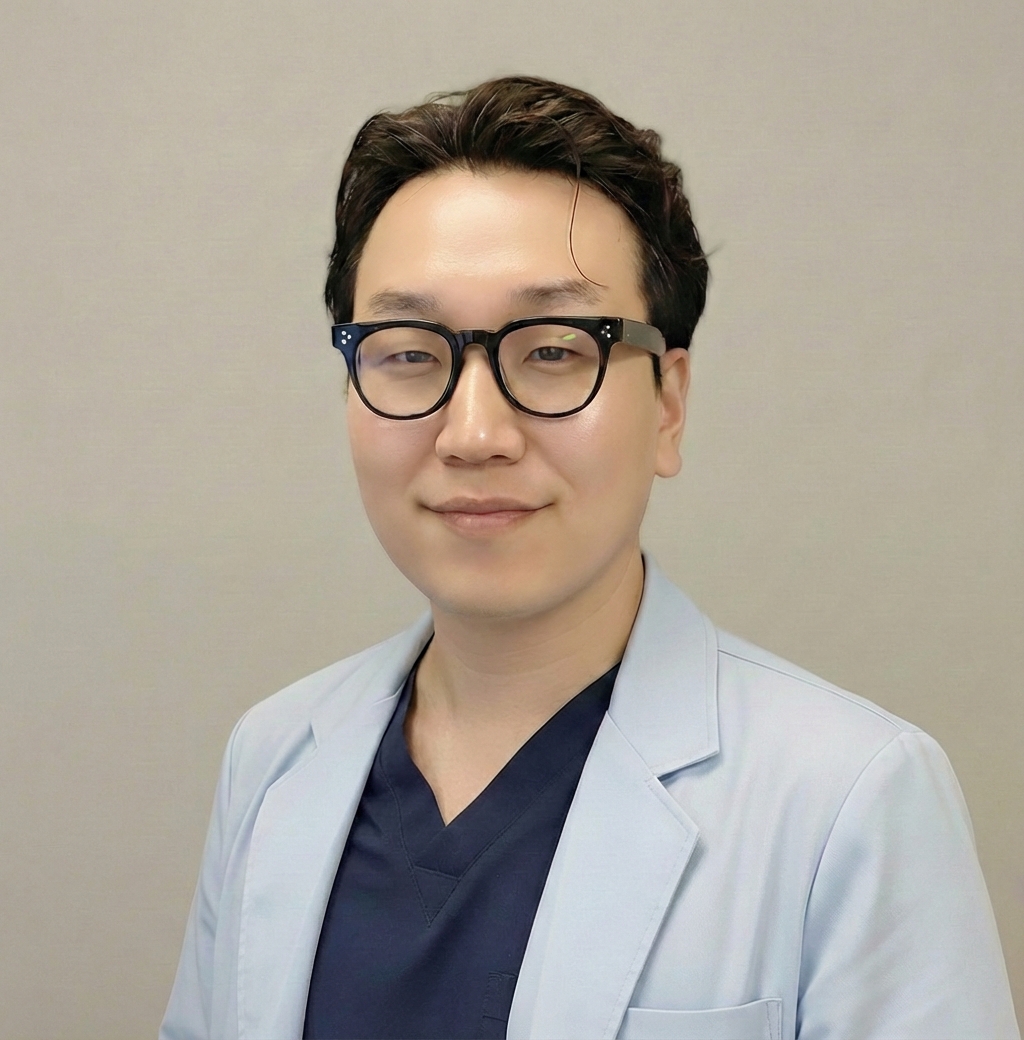
The director personally sees you from first to follow-up visits
We identify the essence through Sasang constitution, pulse and abdominal diagnosis
Treatment based on long clinical experience and evidence
Was this helpful? If you need accurate care for your condition, please contact us below.