
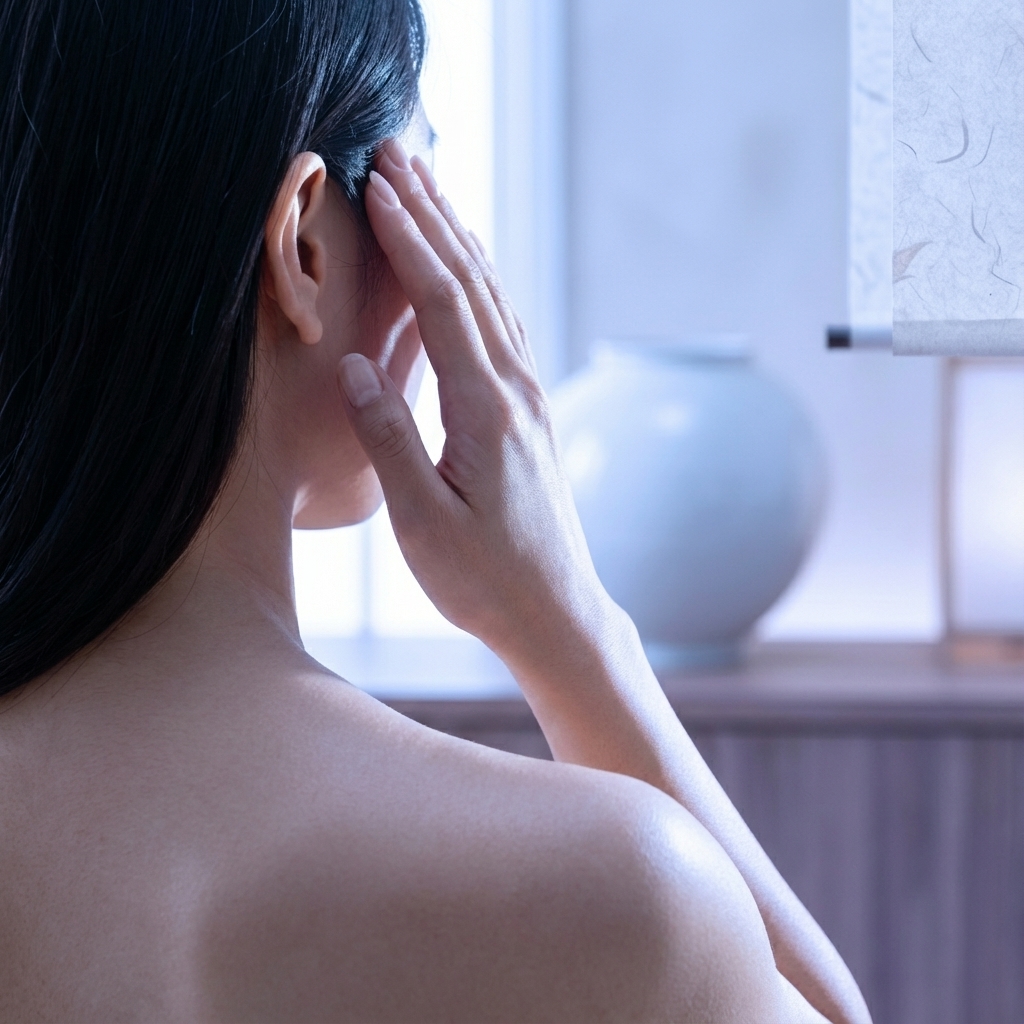
Hemifacial Spasm
Hemifacial Spasm
Involuntary muscle contractions on one side of the face
# Possibility / Realistic Goals (1)
# Comorbidities (2)
Q I came because of facial spasm, but my headaches are severe too. Are they related?
A. Yes. Headaches frequently accompany facial spasm in patients. Facial nerve irritation can excite the neural pathways connected to the trigeminal nerve, or the continuous contraction of the facial muscles can tense the temporalis and masseter muscles, triggering a tension-type headache.
View details →Q I have facial spasm and also hear a sound in my ear. Is it the same cause?
A. When facial spasm and tinnitus appear at the same time, we suspect a vascular abnormality near the facial nerve or a common cause in the brainstem area. In particular, when the posterior inferior cerebellar artery compresses not only the facial nerve but also the auditory nerve, tinnitus may accompany the spasm.
View details →# Lifestyle Management (2)
Q As an office worker, it's really embarrassing when my face pulls during video calls. Is there a way to reduce it in daily life?
A. Getting enough sleep, cutting back on caffeine, and lowering screen brightness are the basics. When you feel a spasm coming on, gently pressing your cheek with your palm or taking deep breaths to calm sympathetic excitation can temporarily reduce its intensity.
View details →Q My face pulls more after I sleep. Do my sleeping posture or pillow have an effect?
A. Yes. Sleeping while pressing on the affected side, or with the neck bent, worsens blood flow around the facial nerve and is a reason symptoms are worse in the morning. Lying on the opposite side or on your back, and using a pillow of the right height that supports the cervical spine, can help.
View details →# Safety (2)
Q Is it safe to get acupuncture on the face? Wouldn't touching the nerve be harmful?
A. Facial acupuncture is performed at a depth and direction that do not cause facial nerve damage. On the contrary, appropriate stimulation works to regulate nerve excitability. However, you must receive treatment from an experienced Korean medicine doctor.
View details →Q One side of my face suddenly stopped moving, my eye won't close, and a spasm appeared too. Can I come straight to the Korean medicine clinic?
A. No. If sudden facial paralysis or facial spasm is accompanied by a severe headache, dizziness, weakness in one arm or leg, or slurred speech, it may be an emergency warning sign of a stroke or brain hemorrhage. Go to the emergency room immediately.
View details →# Drug Combination / Interactions (1)
# Prognosis / Recovery (2)
Q It's been 6 months since onset and only my eyelid still twitches. Is it better to get treatment early?
A. Yes. The earlier the stage, when the spasm is still confined to the eyelid, the better the treatment response. Over time the spasm can spread more widely and the pattern of nerve overexcitability can become entrenched, so intervening early is more favorable for halting progression.
View details →Q It's been more than 5 years and I'm getting Botox too. Even in such a long-standing case, is Korean medicine treatment meaningful?
A. Even in long-standing cases, you can expect benefits such as reduced spasm frequency, longer-lasting Botox effects, and less disruption to daily life. Rather than a complete cure, a realistic goal is to raise the level of symptom control and improve quality of life.
View details →# Causes Explained (2)
Q My eyelid started twitching on its own, and now it pulls at the corner of my mouth too. What kind of condition is this?
A. Hemifacial spasm is a condition in which the muscles on one side of the face contract involuntarily. The main cause is a blood vessel near the brainstem pressing on the facial nerve, making it overexcitable. It often begins with eyelid twitching and gradually spreads to the cheek and around the mouth over time.
View details →Q I heard that a blood vessel presses on the nerve. Why does that suddenly happen?
A. The root of the facial nerve as it emerges from the brainstem lies very close to blood vessels. With aging or conditions such as high blood pressure, the vessels become more tortuous and continuously irritate the nerve. As this irritation accumulates, the nerve becomes overexcitable and spasms begin.
View details →# Food / Triggers (2)
Q Whenever I'm stressed before exams or presentations, my eye twitches even more. Besides managing stress, is there anything else I can do?
A. Stress overactivates the sympathetic nervous system and is a major trigger for facial nerve overexcitability. Getting at least 7 hours of sleep, cutting back on caffeine, and eating magnesium-rich foods (nuts, green vegetables) help to stabilize the nerves.
View details →Q I work in the fishing industry in Dong-gu, Incheon, and my face seems to pull especially when I'm exposed to cold wind or don't get enough sleep.
A. Cold wind (cold stimulation) constricts the facial meridians and tightens the blood vessels, worsening circulation around the nerve. Lack of sleep takes away the time the nerve needs to recover and lowers the spasm threshold. Wearing a cold-protective mask and securing enough sleep have a direct effect on managing symptoms.
View details →# Treatment Schedule (1)
# Treatment Stages (2)
Q In what order is treatment performed upon the first visit?
A. During the initial consultation, pulse diagnosis and thermography are used to confirm the state of upper heat and lower cold, as well as the differentiation of liver wind and phlegm. The location, duration, and accompanying symptoms of the spasms are also identified. Subsequently, Stage 1 begins with a customized herbal decoction prescription plus facial pharmacopuncture and electroacupuncture treatment.
View details →Q How long do I usually have to receive Korean medicine treatment before I feel an effect?
A. In faster cases, you may begin to feel a reduction in spasm frequency within 4 to 6 weeks, and we consider 3 months as the first course of treatment. The longer the spasm has lasted, the more important it is to adjust expectations in stages.
View details →# Effectiveness (1)
Hemifacial Spasm is not just a simple symptom
Korean medicine that considers both your constitution and lifestyle rhythm treats the root cause.
From consultation to precise treatment, we provide personalized care.
Prescriptions tailored to your constitution and symptoms treat the root cause
The director personally sees you from first to follow-up visits
We identify the essence through Sasang constitution, pulse and abdominal diagnosis
Treatment based on long clinical experience and evidence
Was this helpful? If you need accurate care for your condition, please contact us below.