
Vitiligo
Vitiligo
Loss of skin pigmentation causing white patches
# Possibility / Realistic Goals (1)
# Comorbidities (2)
Q I heard that with vitiligo, other diseases like thyroid problems are more likely. Should I get tested?
A. Because vitiligo is an autoimmune disease, it can appear together with other autoimmune diseases such as thyroid disease (especially Hashimoto's thyroiditis). We recommend getting a thyroid function test at least once.
View details →Q Along with vitiligo I also developed alopecia areata, and the hair in the patch areas has turned white. Can these improve together too?
A. Vitiligo and alopecia areata are in the same autoimmune family, so they sometimes appear together. Treatment that stabilizes the immune system's excessive reaction addresses the foundation of both symptoms, so it can help improve the accompanying changes as well.
View details →# Lifestyle Management (2)
Q I heard the white patch areas are weak against sunlight. How should I care for them day to day?
A. White patches that lack pigment are very vulnerable to sunburn, so UV protection is essential. Applying sunscreen before going out and stabilizing the immune system through sufficient sleep and stress management are helpful.
View details →Q I have patches on the backs of my hands and face, so I feel self-conscious meeting people. Is it okay to use makeup or to cover them?
A. Covering the patches with cover makeup or self-tanning products is not harmful to the skin and helps restore confidence. However, apart from covering, it is best to continue treatment that prevents progression.
View details →# Safety (1)
# Drug Combination / Interactions (1)
# Prognosis / Recovery (2)
Q Even if repigmentation happens, I heard it takes a long time. Usually how long must I be treated before I see changes?
A. Vitiligo is a slow-responding condition, so pigment changes usually appear over a span of several months. It typically takes several months first to stabilize it from spreading further, and repigmentation can be expected only when treatment is steadily continued afterward.
View details →Q My white patches keep spreading and I'm so anxious. Can the spreading be stopped?
A. Halting progression is the most important first goal of vitiligo treatment. By stabilizing the immune system's excessive attack, the rate at which new patches form and spread can be slowed or stopped.
View details →# Causes Explained (2)
Q What is vitiligo?
A. Vitiligo is a chronic depigmenting disorder in which the melanocytes that give skin its color are destroyed, producing sharply bordered white patches. It is not contagious, and the white patches may gradually spread without pain or itching.
View details →Q White patches suddenly appeared on the back of my hand—why did I develop vitiligo?
A. Vitiligo is believed to arise from autoimmunity, in which the body's immune system mistakenly attacks its own melanocytes. It often begins when triggers such as stress, severe sunburn, or friction are added to a genetic predisposition.
View details →# Food / Triggers (2)
Q Are there particular foods I should avoid with vitiligo? I've heard vitamin C is bad.
A. There are no foods that must be strictly avoided, but eating habits that burden the body with heat and waste—such as alcohol and excessive processed foods—are unfavorable for immune stability. There is no need to cut out vitamin C-rich foods themselves.
View details →Q In summer, sun exposure makes the patch borders stand out more, and a white patch appeared where my eyeglass frame rests. How do I avoid these triggers?
A. Severe sunburn and skin friction are major triggers that spread vitiligo. It is important to apply sunscreen thoroughly and reduce friction in areas that are repeatedly rubbed, such as where eyeglass frames or bag straps press.
View details →# Treatment Schedule (1)
# Treatment Stages (2)
Q In what order does Korean medicine treatment for vitiligo proceed?
A. First we calm the immune system's excessive attack to halt progression; next we boost qi and blood circulation to the periphery of the skin to create the groundwork for color to return; and finally we stabilize the immune system so it does not recur.
View details →Q I'm going for my first consultation about vitiligo. What should I prepare to bring?
A. Recording with photos when the patches first appeared and how they've changed since is a great help in grasping the rate of progression. Please also bring records of the treatments you've received, the medications you apply, and any blood test results.
View details →# Effectiveness (2)
Q I heard vitiligo is an intractable disease that even Korean medicine can't fully cure—is there still any point in getting treatment?
A. Honestly, vitiligo is an intractable condition for which a complete cure cannot be promised. That said, Korean medicine treatment is meaningful in its supportive role of curbing the spread of white patches and helping repigmentation, in which color gradually returns.
View details →Q I've used the steroid ointment from the dermatologist for over a year and it no longer works. Is Korean medicine any different?
A. Topical steroids are used to slow progression, but with long-term use their effect dulls and the skin can thin. Korean medicine takes a different approach—stabilizing the very immune imbalance that attacks melanocytes—so it is worth combining.
View details →Vitiligo is not just a simple symptom
Korean medicine that considers both your constitution and lifestyle rhythm treats the root cause.
From consultation to precise treatment, we provide personalized care.
Prescriptions tailored to your constitution and symptoms treat the root cause
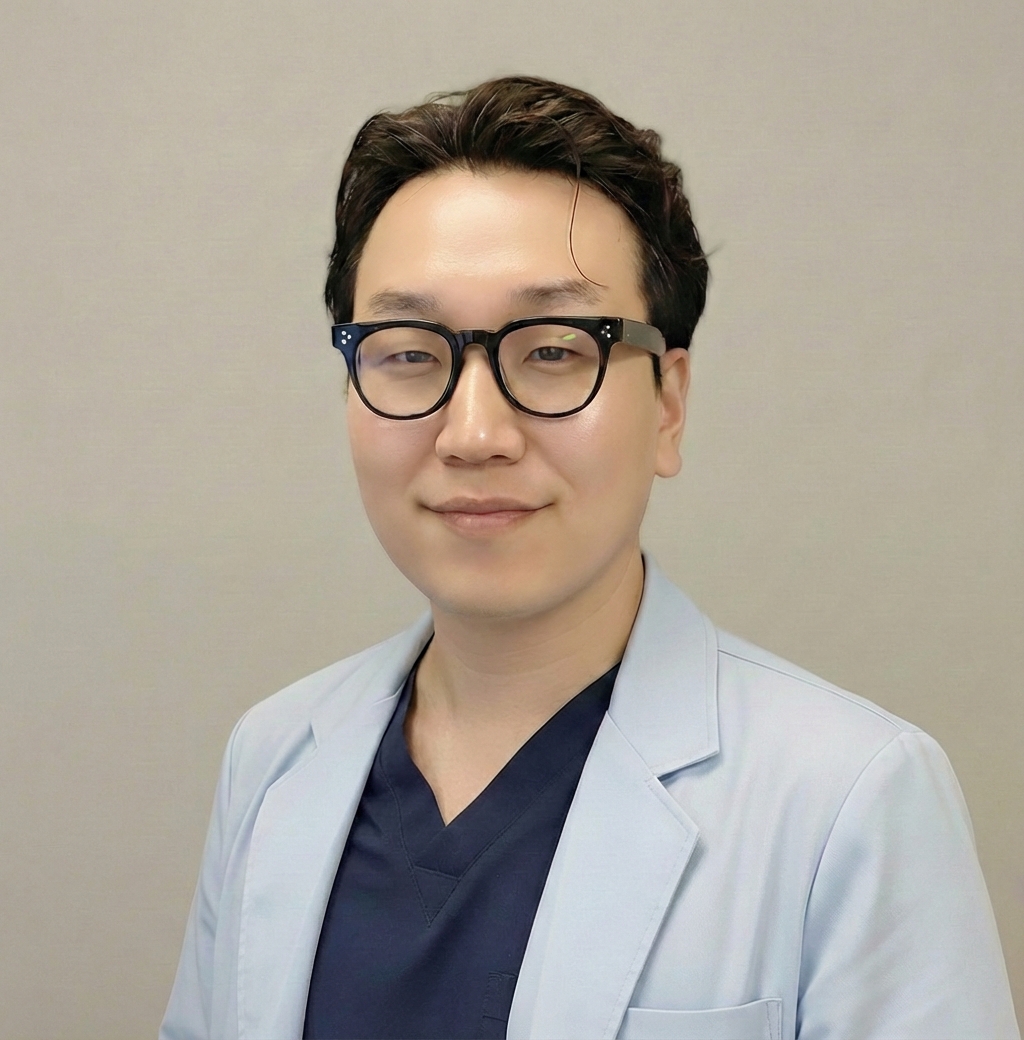
The director personally sees you from first to follow-up visits
We identify the essence through Sasang constitution, pulse and abdominal diagnosis
Treatment based on long clinical experience and evidence
Was this helpful? If you need accurate care for your condition, please contact us below.