
# Possibility / Realistic Goals (1)
# Comorbidities (2)
Q I have atopic dermatitis, and the itching has gotten even worse separately. Can both be treated together?
A. Atopy-based itching is a state where skin barrier damage and immune hypersensitivity are intertwined, so we treat them together. A clearing-heat-detoxifying plus replenishing-blood-moistening-dryness prescription targets both atopy and pruritus at the same time.
View details →Q I have diabetes and kidney failure, and the itching is severe. Can it be done alongside my internal medicine treatment?
A. For diabetic and renal-failure itching, managing the systemic disease comes first, but herbal medicine can improve the skin's heat-toxin environment and lower the itch intensity. You must tell us the list of medications you are taking.
View details →# Lifestyle Management (2)
Q How should I apply moisturizer effectively when I'm itchy? What ingredients should I choose?
A. The key is to apply a thin layer of moisturizer containing ceramides and hyaluronic acid all over the body within 5 minutes of showering. Products with added fragrance or alcohol can irritate the skin.
View details →Q How can I avoid scratching when it's unbearably itchy? Why does scratching make it worse?
A. Scratching damages the skin barrier, and the scratched area releases even more itch-inducing substances, creating a vicious cycle. Cold compresses, pressing with a fingernail, and cooling moisturizers are immediate alternatives.
View details →# Safety (2)
Q Does herbal medicine for itching put a burden on the liver? Can I take it with peace of mind?
A. Dongjedang's itching prescriptions are custom-formulated after differentiating constitution and cause, so there is no overdose. For those concerned about liver or kidney function, we recommend a blood test before the first visit.
View details →Q Can pregnant women or the elderly receive herbal treatment for itching?
A. For pregnant women, we use safe prescriptions after checking whether ingredients cross the placenta; for the elderly, we approach with tonic formulas based on the Yin-Deficiency Blood-Dryness (eumheo-hyeoljo) pattern. In both cases, we prescribe after a thorough consultation at the first visit.
View details →# Drug Combination / Interactions (1)
# Prognosis / Recovery (2)
Q How long does it take to get better with itching treatment at the clinic?
A. It varies by symptom severity and cause, but in most cases nighttime itching begins to ease within 4-8 weeks of treatment, and the skin barrier tends to stabilize around 12 weeks.
View details →Q What should I do to keep it from recurring after treatment?
A. Preventing recurrence rests on three pillars: maintaining skin moisture, avoiding triggers, and managing spleen-stomach function. Even after treatment ends, we recommend a check-up visit at each seasonal change.
View details →# Causes Explained (2)
Q Is itching all over just a simple skin problem? I'm curious why it keeps getting worse.
A. Itching can be a skin problem, but it may also signal a systemic disease such as kidney failure, liver disease, diabetes, or blood cancer. Without finding the cause, scratching creates a vicious cycle that makes it worse.
View details →Q It's fine during the day but severely itchy only at night. Why does it get worse at night?
A. Worsening of itching at night is a classic symptom of the Blood-Deficiency Wind-Dryness (hyeolheo-pungjo) pattern; as skin moisture decreases and the parasympathetic nervous system becomes active, the itch sensation is amplified. It is especially common in age-related dry skin.
View details →# Food / Triggers (2)
Q I seem to itch more when I eat spicy or salty food. Are there specific foods that worsen itching?
A. Spicy and salty irritating foods, alcohol, seafood, and dairy can worsen itching by increasing histamine release or raising heat sensation in the skin. Given the dietary culture of Dong-gu, Incheon, where exposure to salty food is frequent, caution is needed.
View details →Q I seem to itch more when stressed or after bathing. How should I manage the triggers?
A. Stress raises cortisol and weakens the skin barrier, while hot baths damage the sebum film and strip away moisture. The key is to shower with lukewarm water and moisturize immediately afterward.
View details →# Treatment Schedule (1)
# Treatment Stages (2)
Q The itching is so severe I can't sleep. What treatment do you start with at the beginning?
A. The first 4 weeks are a stage of lowering internal heat-toxin and calming skin inflammation signals with clearing-heat and detoxifying (cheongyeol-haedok) prescriptions. Combined with cooling moisturizing, the sleep-disrupting itch eases quickly.
View details →Q The itching has eased somewhat, but my skin is still dry and rough. What does treatment look like after this?
A. After the acute itching subsides, we switch to the replenishing-blood and moistening-dryness (bonhyeol-yunjo) stage, focusing on skin regeneration and barrier restoration. At this stage, skin texture and elasticity improve.
View details →# Effectiveness (1)
Pruritus is not just a simple symptom
Korean medicine that considers both your constitution and lifestyle rhythm treats the root cause.
From consultation to precise treatment, we provide personalized care.
Prescriptions tailored to your constitution and symptoms treat the root cause
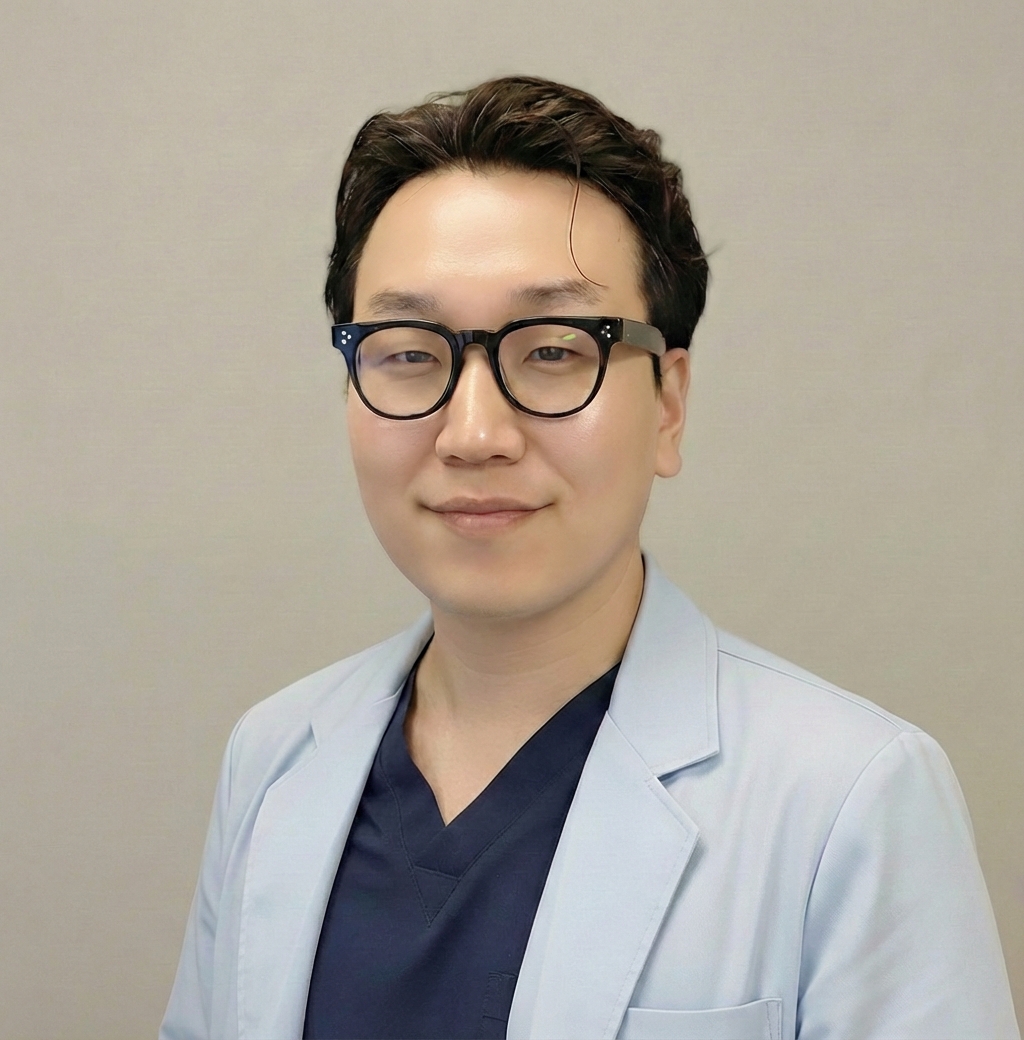
The director personally sees you from first to follow-up visits
We identify the essence through Sasang constitution, pulse and abdominal diagnosis
Treatment based on long clinical experience and evidence
Was this helpful? If you need accurate care for your condition, please contact us below.