Hyperhidrosis
Hyperhidrosis
Excessive sweating beyond what is needed to regulate body temperature
# Possibility / Realistic Goals (1)
# Comorbidities (2)
Q As menopause set in, I suddenly started feeling hot all over and sweating a lot. Is this also hyperhidrosis?
A. Menopausal heat and sweating are caused by a decline in estrogen making the temperature-regulating center of the hypothalamus oversensitive. It is a type of secondary hyperhidrosis, and Korean medicine treatment is effective when approached through the pattern of yin deficiency with effulgent fire (eumheo-hwawang).
View details →Q Because of sweaty hands and feet, the skin between my toes has become macerated and I've developed athlete's foot. Can this be treated together with hyperhidrosis?
A. Yes, secondary athlete's foot and bacterial infection caused by hyperhidrosis are managed together. Secondary infections such as athlete's foot are first treated with antifungal therapy, and the sweating itself is reduced with Korean medicine treatment, an effective combined approach.
View details →# Lifestyle Management (2)
Q Hyperhidrosis makes social life so uncomfortable. Is there any self-care I can start right away in daily life?
A. The key points are wearing breathable natural-fiber clothing, cutting back on caffeine, alcohol, and spicy food, using sweat-absorbing pads, and managing stress. Keep your hands and feet clean with antibacterial soap to prevent secondary infection.
View details →Q My feet sweat so much that the odor is severe too. Is there a separate way to manage foot hyperhidrosis?
A. Foot hyperhidrosis is prone to odor and athlete's foot due to secondary bacterial and fungal infection. The basics are washing daily and drying completely, and using antibacterial socks and breathable shoes. If there is secondary infection, treat that first, and reduce the sweating itself with Korean medicine treatment.
View details →# Safety (2)
Q I heard endoscopic thoracic sympathectomy (ETS) is a sure thing for hyperhidrosis, but people also say the side effects are frightening. How should I decide?
A. ETS has a permanent effect, but compensatory hyperhidrosis occurs in 10 to 30% of cases in areas other than the treated site, such as the back, abdomen, and thighs. It is recommended to decide only after thorough consultation before surgery and after sufficiently trying non-surgical treatments.
View details →Q I heard that taking herbal medicine for a long time strains the liver. Is herbal medicine for hyperhidrosis safe?
A. Most herbal medicine side effects arise from herbs of unknown origin, overdosing, or prescriptions unsuited to the constitution. Standard herbal medicine prescribed by a Korean medicine doctor according to pattern diagnosis carries a very low risk of liver toxicity, and if any abnormal symptoms occur during use, let us know immediately and we will adjust it.
View details →# Drug Combination / Interactions (1)
# Prognosis / Recovery (2)
Q I've had sweaty hands and feet since childhood. Will it improve as I get older, or do I need treatment?
A. Primary hyperhidrosis is most severe in one's twenties and sometimes naturally decreases with age, but individual differences are large and many people continue to have it for decades. If it interferes with daily life, it is realistic to improve it quickly with treatment.
View details →Q Recently I've suddenly started sweating a lot all over my body. I never had this before and it's new. Is it just hyperhidrosis?
A. If whole-body hyperhidrosis appears suddenly, you should first check for the possibility of a secondary cause. Especially if it is accompanied by night sweats, weight loss, or fever, it is essential to rule out internal conditions such as tuberculosis or lymphoma, so please see an internal medicine physician first.
View details →# Causes Explained (2)
Q What causes hyperhidrosis? How is it different from simply sweating a lot?
A. Hyperhidrosis is a condition in which the body produces far more sweat than is needed to regulate temperature. It is divided into primary hyperhidrosis, which affects specific areas such as the hands, feet, armpits, or face, and secondary hyperhidrosis, which is caused by other conditions such as menopause, diabetes, or thyroid disorders.
View details →Q Whenever I take an exam or give a presentation, my hands sweat profusely and my palms are always clammy. Is it just nerves, or is something wrong with my body?
A. Worsening with tension is a classic feature of primary hyperhidrosis. Because the sympathetic nervous system reacts more sensitively than necessary, sweating often occurs even in relatively relaxed situations where there is no tension.
View details →# Food / Triggers (2)
Q My sweating seems especially bad when I drink coffee or eat spicy food. Does diet really have an effect?
A. Caffeine, spicy food, and alcohol stimulate the sympathetic nervous system and directly increase sweating. People with hyperhidrosis react more sensitively to these foods, so simply cutting back can noticeably change the amount of everyday sweat.
View details →Q I work three rotating shifts in Dong-gu, Incheon. Does my sweating get worse when my sleep is irregular and I'm under a lot of stress?
A. Yes. Lack of sleep and chronic stress sustain a state of sympathetic tension and worsen hyperhidrosis. Improving sleep quality and managing stress have a direct effect on controlling sweat.
View details →# Treatment Schedule (1)
# Treatment Stages (2)
Q In what order does Korean medicine treatment for hyperhidrosis proceed?
A. It varies by pattern, but broadly it proceeds in three stages: stabilizing the autonomic nervous system, then reinforcing Qi and blood, then strengthening the skin's protective barrier. At each stage we combine herbal medicine, acupuncture, and moxibustion, and usually confirm a change in the amount of sweat within 1 to 3 months.
View details →Q What should I prepare before visiting a Korean medicine clinic for hyperhidrosis?
A. It will make the consultation more accurate if you organize in advance which areas sweat severely and in what situations (tension, heat, nighttime, etc.), when it began, and any medications you are taking or previous treatment history. If night sweats and weight loss accompany it, we recommend having internal medicine tests done beforehand.
View details →# Effectiveness (1)
Hyperhidrosis is not just a simple symptom
Korean medicine that considers both your constitution and lifestyle rhythm treats the root cause.
From consultation to precise treatment, we provide personalized care.
Prescriptions tailored to your constitution and symptoms treat the root cause
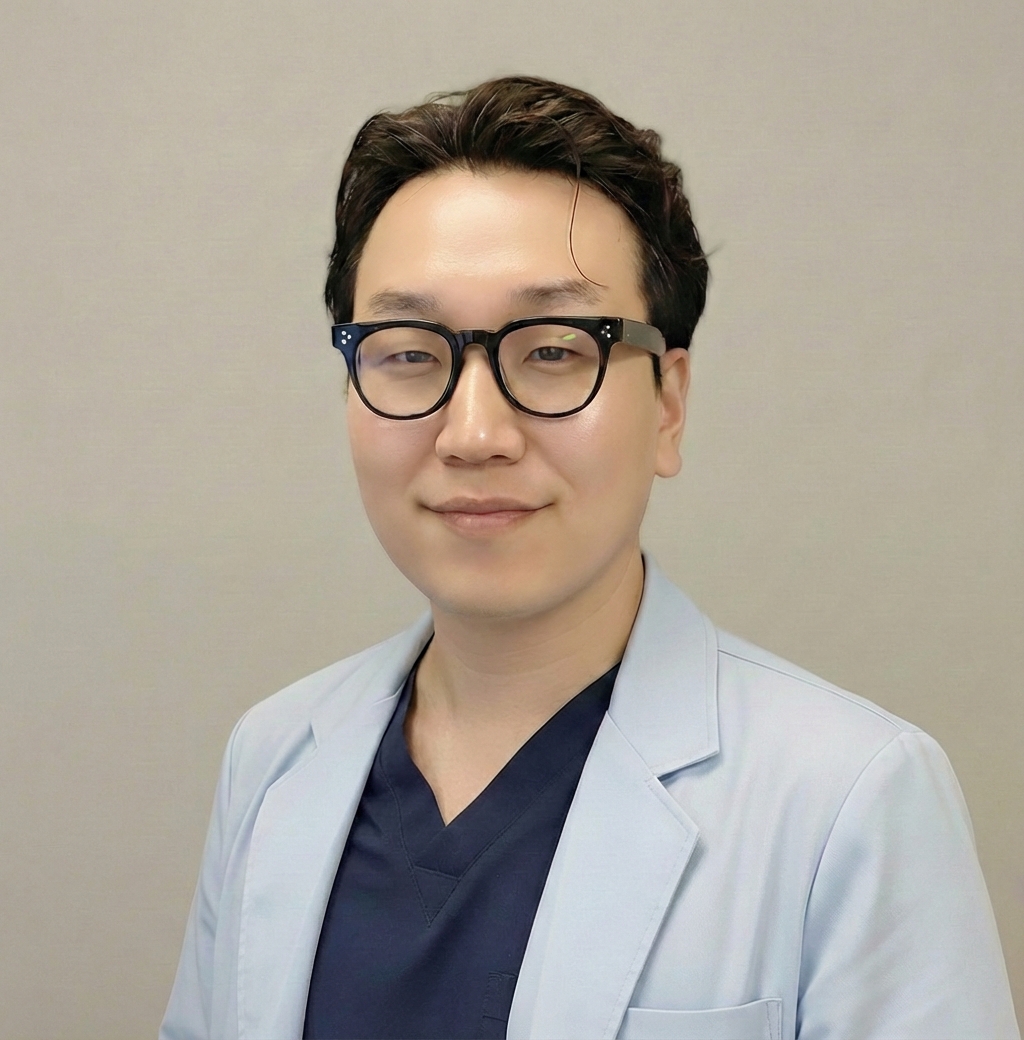
The director personally sees you from first to follow-up visits
We identify the essence through Sasang constitution, pulse and abdominal diagnosis
Treatment based on long clinical experience and evidence
Was this helpful? If you need accurate care for your condition, please contact us below.