
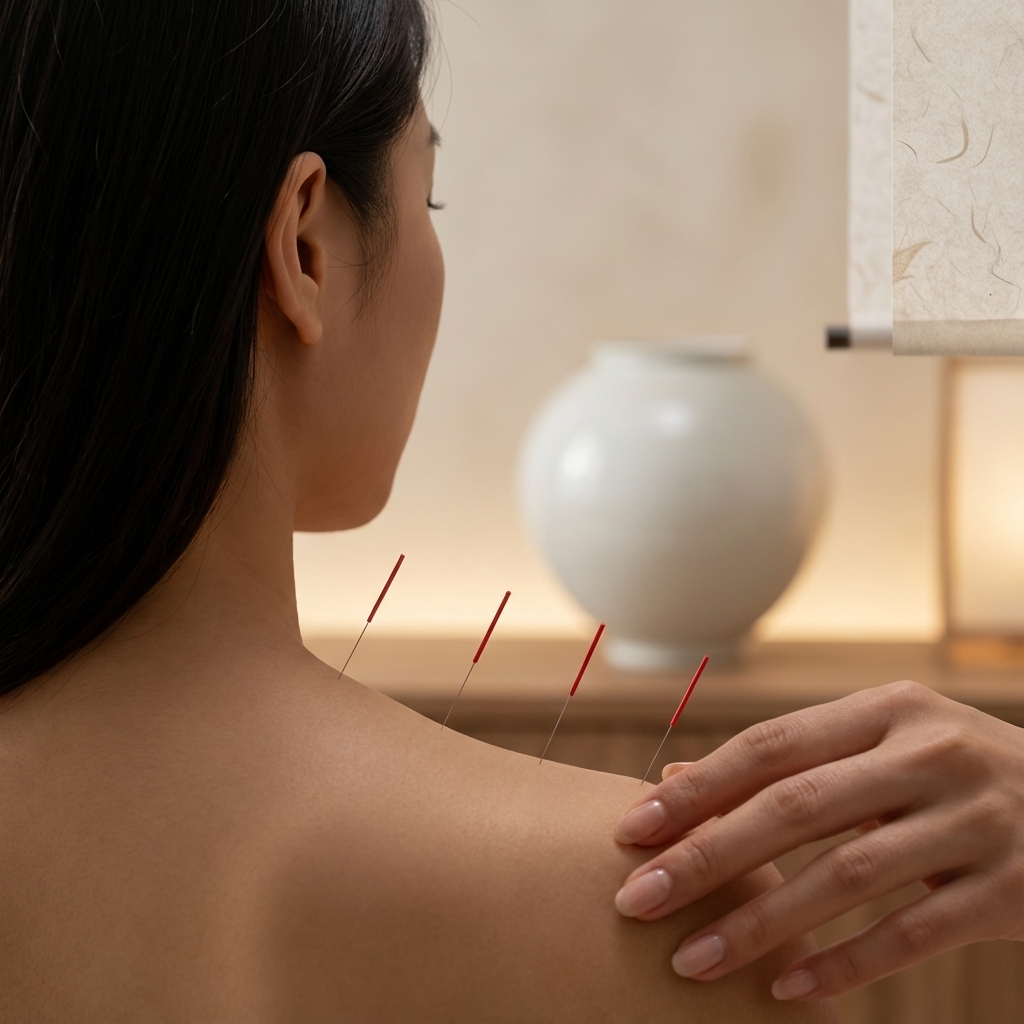
TMJ Disorder
TMJ Disorder
Temporomandibular joint disorder (opening difficulty) where the jaw clicks and hurts when opening the mouth
# Possibility / Realistic Goals (2)
Q The MRI showed severe disc displacement; can it improve with Korean traditional medicine treatment? I was also told that surgery is necessary.
A. Even with disc displacement, it is often possible to recover daily functions without surgery through conservative treatment for pain and functional limitations. Korean traditional medicine is effective in improving the function of tissues surrounding the joint, and in cases of severe structural damage, the best course of action is determined through collaborative treatment.
View details →Q My high school student is experiencing jaw joint clicking and pain. Is it safe for them to receive treatment at a Korean medicine clinic? I am concerned about whether acupuncture or herbal medicine is appropriate since they are in their growth phase.
A. Adolescents in their growth phase can also receive jaw joint treatment, and there is no age limit for acupuncture. Treatment is performed safely within a range that does not affect growth, and the intensity of treatment and herbal medicine prescriptions are adjusted to suit the patient's age and physical condition.
View details →# Comorbidities (1)
# Lifestyle Management (2)
Q Are there any jaw joint stretches or exercises I can do at home? Is it okay to do them every day?
A. During periods when pain is not severe, gentle jaw joint stretching helps relax muscles and restore flexibility. However, during the acute phase when pain is present or inflammation is severe, avoid strenuous stretching, and adjust the range of motion and intensity according to your treatment status.
View details →Q I have a habit of sleeping on my side, but I heard it's bad for my jaw joint. How should I sleep?
A. Sleeping on your side applies continuous pressure to the lower jaw joint, which can worsen symptoms. If possible, lying on your back with your head on the ceiling places the least strain on the jaw joint.
View details →# Safety (1)
# Drug Combination / Interactions (1)
# Prognosis / Recovery (2)
Q My jaw joint has been hurting for 6 months. How long does treatment take to get better? I heard that it is difficult to fully recover because it is chronic.
A. While it varies depending on the duration and the extent of damage, chronic temporomandibular joint disorders can recover significantly with appropriate treatment. Typically, patients experience pain relief and functional improvement within 1 to 3 months of treatment; however, longer-term treatment may be necessary if there is adhesion or structural deformation.
View details →Q I finished treatment once, but it recurred a few months later. Is temporomandibular joint disorder (TMJ) a condition that keeps recurring?
A. The main reasons for recurrence are that habits such as teeth grinding and clenching, stress, and postural issues remain uncorrected. Managing the underlying causes together can significantly reduce the frequency and severity of recurrence.
View details →# Causes Explained (2)
Q I am an office worker in my 30s. When I wake up in the morning, I hear a clicking sound in my jaw and have difficulty opening my mouth. Why do these symptoms occur?
A. Temporomandibular joint disorder (TMJ) occurs when the disc (articular disc) within the jaw joint displaces from its proper position or when the surrounding muscles and ligaments become tense or damaged. Major causes include stress, teeth grinding, poor posture, and malocclusion, and typical symptoms include clicking sounds, limited mouth opening, and pain.
View details →Q I am a graduate student in my 20s, and my jaw started hurting as the stress of preparing my thesis intensified. Does stress really affect the jaw joint?
A. Stress induces teeth clenching and grinding, placing the masticatory muscles in a state of chronic tension; as this tension accumulates, it places a load on the internal structures of the temporomandibular joint, leading to pain and functional impairment. It is a representative musculoskeletal disorder involving a psychological and physical connection.
View details →# Food / Triggers (2)
Q I am a man in my 50s living in Dongincheon. My jaw hurts more when I eat squid or chewy foods. What can I eat, and what should I avoid?
A. Hard or chewy foods can overload the masticatory muscles and worsen symptoms. During treatment, you should focus on soft foods, and it is important to correct your chewing habits in a way that puts less strain on the joints.
View details →Q I am an office worker in my 30s, and looking at my smartphone all day makes my neck stiff and my jaw hurt. Is my posture related?
A. Forward head posture is a major contributing factor that disrupts cervical spine alignment and transmits abnormal load to the temporomandibular joint. Prolonged smartphone use, positioning the monitor low, and leaning the head forward can all worsen TMJ symptoms.
View details →# Treatment Schedule (1)
# Treatment Stages (2)
Q My jaw has suddenly locked, and I can barely open my mouth. How is treatment performed?
A. Acute limited mouth opening is a condition bordering on an emergency, requiring prompt action. Initially, the focus is on reducing inflammation and muscle spasms; once the condition stabilizes, treatment proceeds step-by-step to restore joint function.
View details →Q I have had jaw joint pain for over a year. In what order is the treatment performed at the Korean medicine clinic?
A. Chronic temporomandibular joint disorder is systematically treated in three stages: pain relief, restoration of joint function, and prevention of recurrence. The longer the symptoms persist, the more often intensive treatments, such as moxibustion and thread embedding, are required.
View details →# Effectiveness (2)
Q I was prescribed a mouthguard at the dentist, but the effect was minimal, so I am considering treatment at a Korean medicine clinic. Is acupuncture actually effective for the jaw joint?
A. Acupuncture is effective in relieving masticatory muscle tension and improving blood flow around the joints, and can produce synergistic effects when combined with a mouthguard. Several clinical studies have shown that acupuncture treatment yielded significant results in reducing temporomandibular joint pain and improving the range of mouth opening.
View details →Q I am a housewife in my 40s. Do I need to take herbal medicine for my temporomandibular joint (TMJ) treatment? Is acupuncture alone insufficient?
A. While many patients see significant results with acupuncture alone, using herbal medicine in conjunction with it improves the speed and duration of treatment in cases of chronic TMJ disorders or when accompanied by general tension and fatigue. Herbal medicine tailored to your constitution and differential diagnosis helps with the recovery of tissues surrounding the joint and prevents recurrence.
View details →TMJ Disorder is not just a simple symptom
Korean medicine that considers both your constitution and lifestyle rhythm treats the root cause.
From consultation to precise treatment, we provide personalized care.
Prescriptions tailored to your constitution and symptoms treat the root cause
The director personally sees you from first to follow-up visits
We identify the essence through Sasang constitution, pulse and abdominal diagnosis
Treatment based on long clinical experience and evidence
Was this helpful? If you need accurate care for your condition, please contact us below.