
Q I hear that Korean medicine clinics treat meniscal tears with acupuncture. Can torn cartilage really heal with needles? I have doubts about its effectiveness.
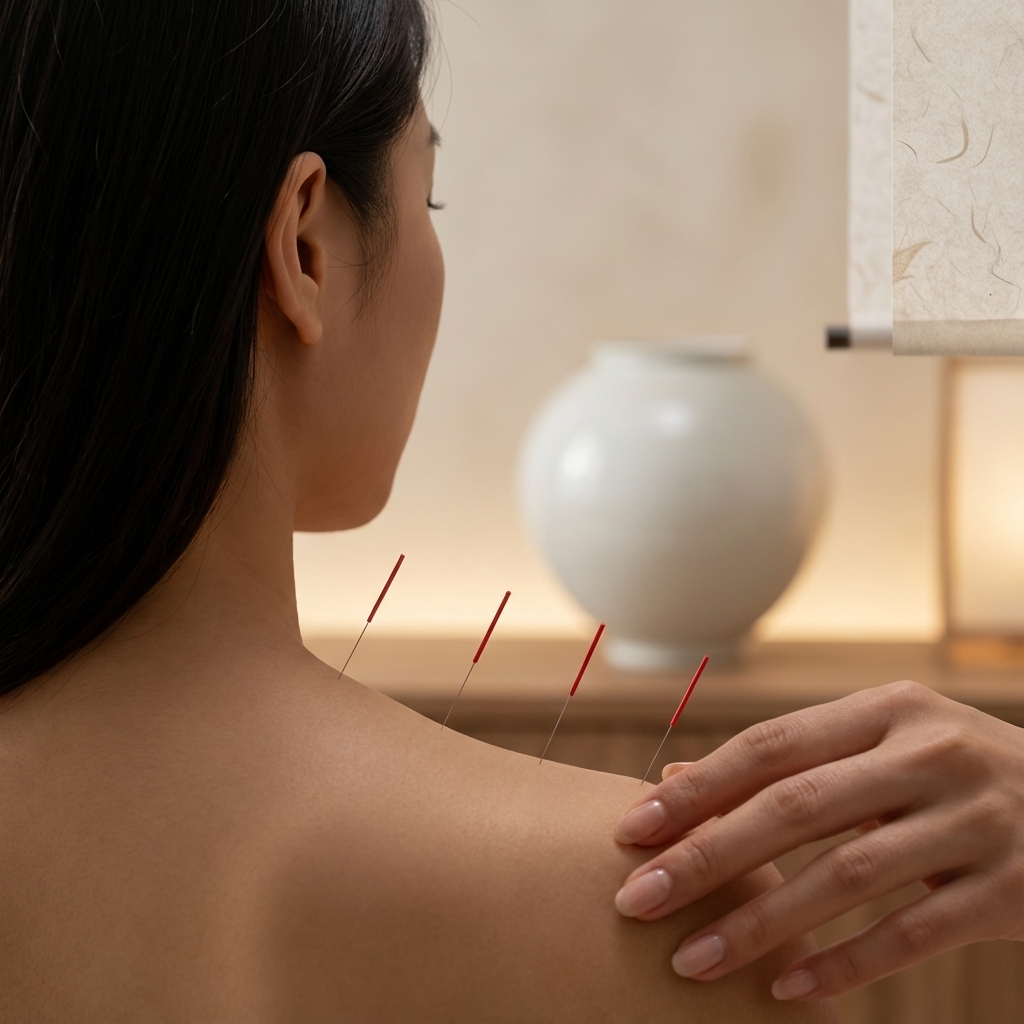
A Although acupuncture treatment does not directly suture torn cartilage tissue, it demonstrates evidence-based effects in improving blood flow around the joint, suppressing inflammation, and controlling pain. In particular, knife needles are used to physically separate adhesions within the joint and stimulate ligament and tendon attachment sites to create an environment for tissue regeneration. In cases of degenerative or partial tears that do not require surgery, one can expect pain reduction and functional recovery through Korean medicine treatment.
Detailed Answer
The blood vessels in the meniscus are distributed only in the lateral one-third (red band), while the medial two-thirds (white band) has no blood supply, resulting in very poor natural healing ability. Acupuncture treatment does not aim to overcome these limitations by regenerating cartilage, but rather aids in functional recovery through the reduction of inflammatory cytokines within the joint cavity, the regulation of pain gates (endogenous opioid secretion), and the relaxation of surrounding muscles. Randomized controlled studies report that acupuncture significantly improves pain and functional indicators associated with knee osteoarthritis and meniscal lesions. From a Korean medicine perspective, persistent blockage of the flow of Qi (vital energy) along the medial side of the knee leads to recurring pain and swelling. By unblocking this Qi flow with acupuncture, local microcirculation improves, promoting the absorption of exudates and the supply of nutrients to tissues. Dongjedang employs a step-by-step external treatment strategy that combines standard fine needles with fine needles to separate adhesions around the joint, stimulate cell regeneration signals using fire needles and thread embeddings, and add anti-inflammatory effects with pharmacopuncture. The goal is to create an environment where the remaining cartilage can maintain its proper function, rather than directly regenerating torn fibers.
Related FAQs
-
Q
I am a man in my 60s, and MRI results indicate significant wear on my meniscus. Is it actually possible to see improvement with Korean traditional medicine treatment at this age?
#Possibility / Realistic Goals
-
Q
I am an athlete in my 20s who wants to undergo meniscal repair surgery, but I am afraid of the operation. Is it possible to return to sports with only Korean traditional medicine treatment?
#Possibility / Realistic Goals
-
Q
It is said that knee osteoarthritis can occur along with meniscal tears. Can both be treated together?
#Comorbidities
-
Q
I am currently undergoing treatment for a meniscus tear. Is it okay to continue exercising? I would like to know which exercises are good and bad for my knees.
#Lifestyle Management
-
Q
Since my meniscus injury, my knee feels unstable and heavy. I am curious about lifestyle habits that can protect my knee in daily life.
#Lifestyle Management