
Q I would like to know the step-by-step sequence of Korean medicine treatment.
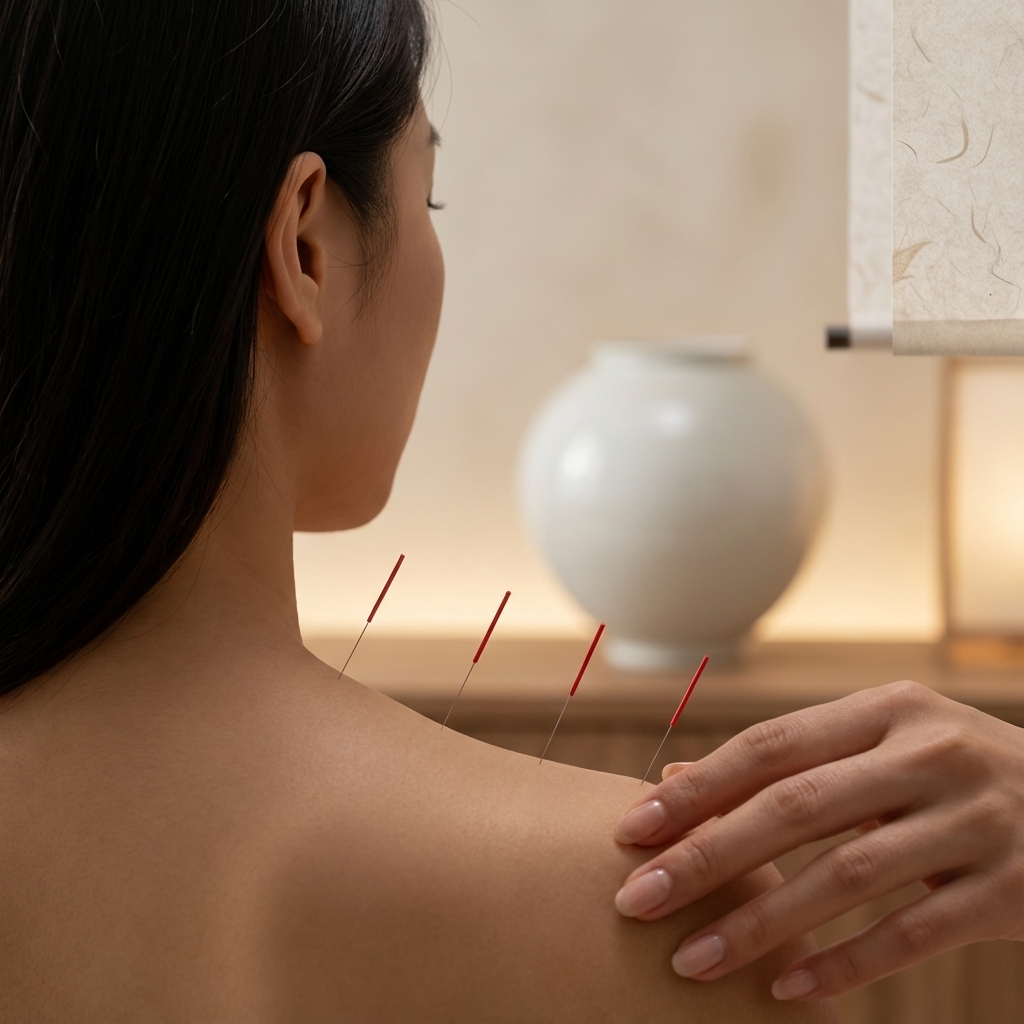
A Stage 1 focuses on pain and inflammation control, aiming for immediate symptom relief through acupuncture, pharmacopuncture, and cupping. Stage 2 involves adhesion release, applying needle insertion to loosen fibrotic tissue. Stage 3 focuses on regeneration and strengthening, reconstructing tissue and preventing recurrence through the combined use of thread lifting and herbal medicine.
Detailed Answer
Treatment flow by stage: ① Acute anti-inflammatory phase (Weeks 1–3): Suppressing gallbladder meridian pain and local inflammation using acupuncture, pharmacopuncture (bee venom/anti-inflammatory), and cupping. ② Adhesion release phase (Weeks 2–6): Release subiliotibial band bursae and adhesions using ultrasound-guided needle insertion, and promote blood circulation with fire acupuncture. ③ Regeneration and strengthening phase (Weeks 4–12): Stimulate collagen reformation with thread lifting, replenish liver and kidney function with constitution-tailored herbal medicine, and combine with hip joint strengthening exercises. Each stage overlaps or is adjusted according to the progress.
Korean Medicine Clinic Perspective
These three stages align precisely with the treatment principles of Korean medicine. First, harmful energies such as blood stasis, dampness-phlegm, and wind-cold accumulated in the body are eliminated, followed by the replenishment of normal energies such as liver blood, kidney essence, and spleen qi. The goal is not merely to relieve pain, but to build a foundation for muscles and ligaments to heal themselves. At Dongjedang, tissue changes are monitored via ultrasound at each stage, and the progress of treatment is shared.
Related FAQs
-
Q
Do I have to give up running completely? Do you have a realistic goal to run marathons again?
#Possibility / Realistic Goals
-
Q
I am 55 years old. Is treatment effective at this age? Aren't there limitations due to aging?
#Possibility / Realistic Goals
-
Q
Can knee cartilage or other joints be damaged along with iliotibial band syndrome?
#Comorbidities
-
Q
Can I continue exercising during treatment? Which exercises are okay, and which should be avoided?
#Lifestyle Management
-
Q
I am in my 30s and active in a marathon club in Dong-gu, Incheon. Are there any management methods I can do at home besides foam rollers and stretching?
#Lifestyle Management