

Q I am currently taking anti-inflammatory painkillers. Can I receive Korean medicine treatment at the same time?
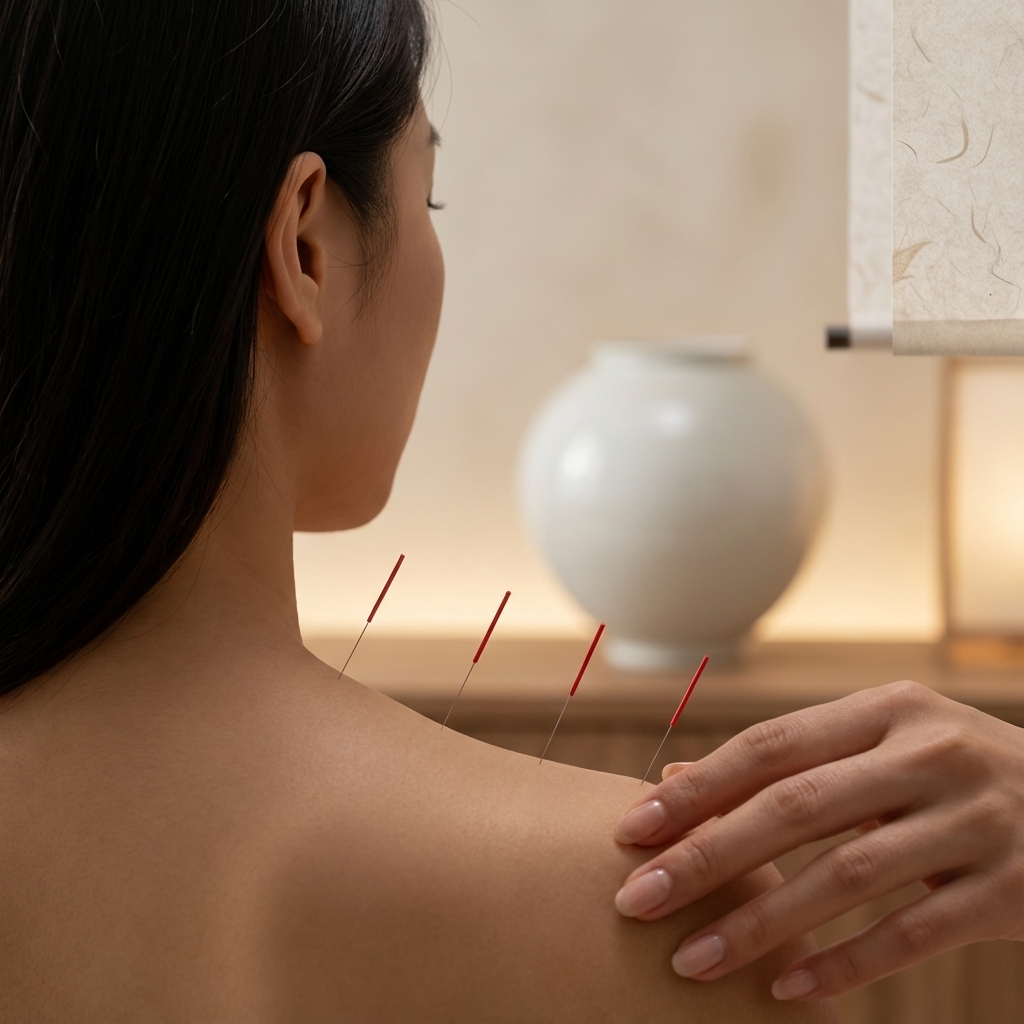
A Generally, external treatments such as acupuncture, moxibustion, and pharmacopuncture can be used in combination with anti-inflammatory painkillers. If you are taking herbal medicine, please inform us of the types of medications you are currently taking in advance so that we can review potential interactions. We can also safely plan a transition to Korean medicine treatment while gradually reducing your painkillers.
Detailed Answer
Acupuncture, moxibustion, and external treatments can be safely combined even while taking NSAIDs (ibuprofen or naproxen). Since herbal medicine may interact with drugs that affect blood clotting (anticoagulants or aspirin) or drugs that metabolize the liver, you must share your list of medications before your consultation. It is safest to proceed with a painkiller reduction schedule confirmed by the medical staff.
Korean Medicine Clinic Perspective
While anti-inflammatory painkillers temporarily suppress symptoms, they cannot resolve the fundamental causes viewed in Korean medicine, such as Qi stagnation and blood stasis or spleen and kidney deficiency. At Dongjedang, we initially combine painkillers with external treatments, and once pain becomes manageable, we gradually transition to acupuncture or pharmacopuncture alone. Before prescribing herbal medicine, we check the patient's current medications to minimize liver burden or the risk of bleeding.
Related FAQs
-
Q
I have early-stage hallux valgus. Can I be completely cured if I start treatment now?
#Possibility / Realistic Goals
-
Q
Is it possible to manage severe deformities with Korean medicine treatment without surgery?
#Possibility / Realistic Goals
-
Q
I heard that having hallux valgus can also worsen knee and lower back problems.
#Comorbidities
-
Q
Are there any foot exercises that help with hallux valgus?
#Lifestyle Management
-
Q
Are insoles or orthotics really effective?
#Lifestyle Management