
Gout
Gout
Gout, characterized by sudden redness, swelling, and severe pain in the top of the big toe.

# Possibility / Realistic Goals (2)
Q I am in my early 30s and have been diagnosed with gout. Is it more dangerous to get gout at such a young age?
A. Gout in young people is often strongly influenced by genetic factors or lifestyle factors such as diet, alcohol consumption, and obesity. Since early onset leads to prolonged exposure to hyperuricemia, increasing the risk of kidney damage and cardiovascular complications, it is actually important to start active management early.
View details →Q I work in the port industry in Dong-gu, Incheon, and I work night shifts with frequent company dinners. Is it realistically possible to manage gout with this kind of lifestyle?
A. Night shift work disrupts sleep rhythms, increasing insulin resistance, while frequent social gatherings increase exposure to alcohol and purines, making gout management difficult. However, adhering to just a few key points—sufficient fluid intake, small amounts of spirits instead of beer, and regular treatment—can significantly reduce the frequency of attacks. Consistent management with realistic goals is more effective than strict dietary restrictions.
View details →# Comorbidities (1)
# Lifestyle Management (2)
Q I've heard that drinking plenty of water is important for managing gout. How much should I drink per day, and how should I manage my weight?
A. Consuming 2 to 3 liters of water daily promotes the excretion of uric acid through the kidneys. Since being overweight increases uric acid production and reduces excretion, weight loss is helpful; however, sudden fasting can actually trigger an attack, so gradual management is necessary.
View details →Q Is it okay to exercise if I have gout? What kind of exercise is good, and what should be avoided?
A. During an acute attack, joint stability is the priority, so you should rest from exercise. During the intermittent phase, low-weight aerobic exercises such as swimming, cycling, and brisk walking are recommended. Caution is required regarding intense anaerobic exercise or long-distance running, as these can cause lactic acid to build up, inhibiting uric acid excretion and potentially impacting the joints.
View details →# Safety (1)
# Drug Combination / Interactions (1)
# Prognosis / Recovery (2)
Q I've heard that if gout is left untreated for a long time, it can cause toe deformities. How dangerous is that?
A. If left untreated for years, gouty nodules (tophi), which are clusters of uric acid crystals, can form around the joints, destroying cartilage and bone and causing permanent joint deformation. Additionally, if uric acid accumulates in the kidneys, it can lead to gouty nephropathy and urinary stones, making early treatment and uric acid control crucial.
View details →Q When do gout attacks stop once treatment begins? Is a complete cure possible?
A. If uric acid levels are consistently maintained at the target level (below 6.0 mg/dL), the frequency of attacks generally decreases significantly within 6 to 12 months. It should be approached as long-term management rather than a complete cure; by combining lifestyle modifications with treatment, it is fully possible to lead a normal life without attacks.
View details →# Causes Explained (2)
Q I am a man in my 50s. One day, my big toe suddenly hurt so much that I couldn't even walk. Why does gout strike so suddenly?
A. Gout is a disease in which uric acid in the blood becomes supersaturated and accumulates as crystals within the joints, causing severe inflammation. Even if uric acid levels are high, the condition usually remains quiet; however, triggering factors such as alcohol consumption, fatigue, or dehydration cause crystals to form or move rapidly, leading to a sudden attack. The big toe, in particular, has a lower body temperature, making it the first site where crystals form.
View details →Q I heard that if your kidneys are weak, you are more prone to gout. What is the relationship between the kidneys and uric acid?
A. The kidneys are major organs responsible for excreting approximately 70% of blood uric acid through urine. When kidney function declines, uric acid excretion decreases, leading to higher blood concentrations and an increased risk of gout attacks. Conversely, if gout persists for a long time, uric acid crystals accumulate in the kidneys, creating a vicious cycle that further damages kidney function.
View details →# Food / Triggers (2)
Q I’ve heard that there are a lot of foods that are bad for gout, so I’m curious about which ones I absolutely must avoid and which ones are okay to eat in moderation.
A. Alcohol, such as beer and spirits, as well as foods high in purines like organ meats, oily fish, and shellfish, directly increase uric acid levels, so they should be avoided as much as possible. Caution is also required with sugary drinks and fruit juices, as they increase uric acid synthesis. Consuming low-fat dairy products, vegetables, and sufficient fluids is recommended as they actually help excrete uric acid.
View details →Q I am an office worker in my 40s who frequently attends company dinners near Dongincheon Station. Can even one or two glasses of beer trigger a gout attack?
A. Beer contains both ethanol and yeast-derived purines, making it the alcoholic beverage with the greatest effect in raising uric acid levels. Even a small amount can trigger an attack if uric acid levels are already high. If unavoidable, you should be more cautious with beer than with small amounts of distilled spirits, and adequate hydration before and after drinking is helpful.
View details →# Treatment Schedule (1)
# Treatment Stages (2)
Q What kind of treatment do I receive when I visit a Korean medicine clinic for a gout attack? It’s my first time, so I don’t know what they do.
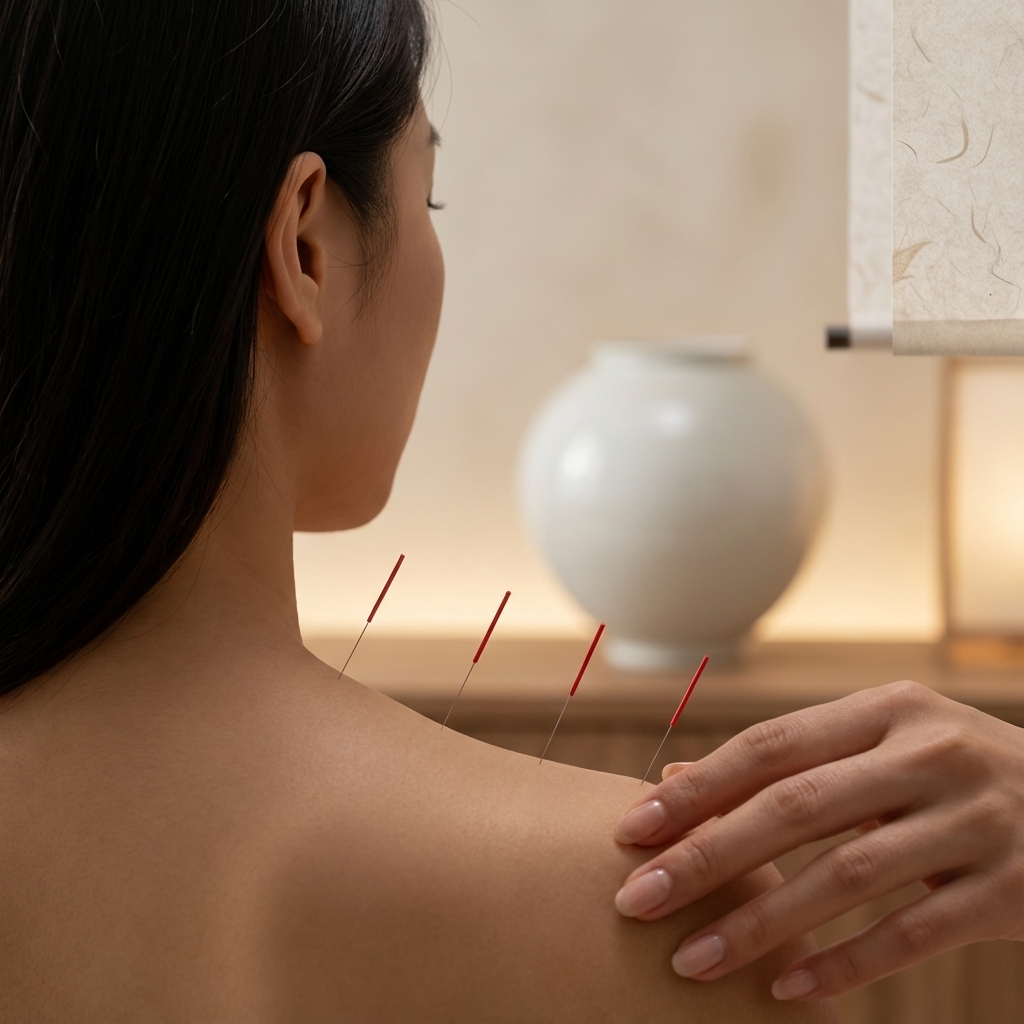
A. During the acute attack phase, the priority is to cool down heat toxins and reduce pain through acupuncture at distal acupoints and anti-inflammatory pharmacopuncture. Simultaneously, herbal decoctions with heat-clearing and dampness-removing effects are prescribed to expel internal damp heat. If redness and heat sensation are severe, rest is recommended along with guidance on cold compresses, and the treatment stage is adjusted according to the course after the attack.
View details →Q My gout attack has subsided, but do I need to continue treatment? I feel like I could just rest since I'm not in pain.
A. Even during the intercritical period when there are no attacks, uric acid crystals still exist within the joints. This is the critical treatment period for gradually dissolving these crystals and changing the predisposition to recurrence. If you stop treatment because there is no pain, the next attack may be more severe.
View details →# Effectiveness (2)
Q Can I receive acupuncture treatment during a gout attack? If the inflammation is severe, won't receiving acupuncture actually make it worse?
A. During an acute attack, redness and heat sensation are severe, so rest is prioritized over direct acupuncture treatment. Utilizing distal acupoints around the attack site and anti-inflammatory pharmacopuncture can help control inflammation. During the intermittent and chronic phases after the attack has subsided, active treatment is provided with the goal of improving meridian circulation and uric acid metabolism.
View details →Q Can herbal medicine actually lower uric acid levels? Or does it just reduce pain?
A. Herbal medicine acts on the uric acid regulatory environment not only by relieving pain but also by reinforcing spleen and kidney functions and improving fluid metabolism. In the short term, anti-inflammatory and analgesic effects can be expected, and consistent use aims to reduce the frequency of attacks and improve one's constitution. However, since the effect of numerically lowering uric acid levels varies from person to person, regular blood test monitoring is necessary.
View details →Gout is not just a simple symptom
Korean medicine that considers both your constitution and lifestyle rhythm treats the root cause.
From consultation to precise treatment, we provide personalized care.
Prescriptions tailored to your constitution and symptoms treat the root cause
The director personally sees you from first to follow-up visits
We identify the essence through Sasang constitution, pulse and abdominal diagnosis
Treatment based on long clinical experience and evidence
Was this helpful? If you need accurate care for your condition, please contact us below.