
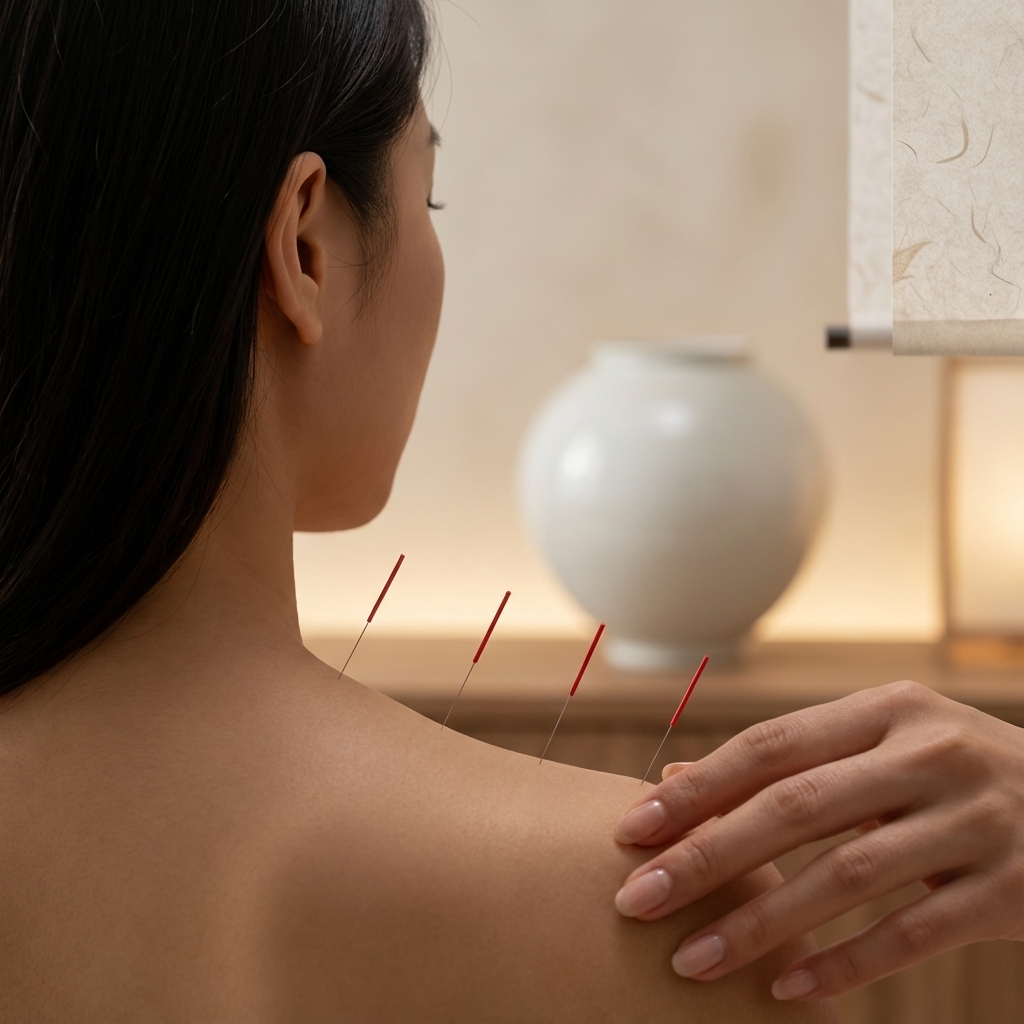
Cervicobrachial Syndrome
Cervicobrachial Syndrome
Tibiobracranial syndrome (neck, shoulder, and arm) causing numbness and pulling from the neck to the arm
# Possibility / Realistic Goals (2)
Q I am a 61-year-old male who has been advised to have neck disc surgery, but I am scared and would prefer to avoid it if possible. I have cervical nerve block symptoms; can I manage them without surgery using Korean medicine?
A. Unless there are absolute indications for surgery, such as progressive paralysis or bowel and bladder dysfunction, a significant number of cervical nerve block symptoms can be managed with conservative treatment. In fact, there are reports that many cervical nerve block symptoms improve with non-surgical treatment. However, it is safer to proceed while regularly monitoring your neurological status.
View details →Q I am a 57-year-old garment factory worker who has suffered from neck, shoulder, and arm pain for nearly 10 years. Is it possible for such long-standing pain to improve? I have resigned myself to it now.
A. Even 10-year-old pain can be improved. However, the goal is not to eliminate pain completely, but to reduce and maintain the intensity and frequency of pain at a level that allows for comfortable daily life. In chronic cases, a stepwise treatment involving adhesion release and reinforcement of recovery capabilities is necessary. Many patients who had given up hope often experience changes first, such as improved sleep and work, after treatment.
View details →# Comorbidities (1)
# Lifestyle Management (2)
Q I am a 33-year-old designer working from home. Are there any stretches or exercises I can do at home in conjunction with treatment?
A. Yes, there are. The basics include chin tucking, stretching the quadriceps and trapezius muscles, and scapular retraction exercises. Doing these frequently for 1 to 2 minutes every hour is more effective than doing them for a long time at once. However, if a movement causes severe numbness, stop immediately as it is a signal of nerve stimulation, and inform your doctor during your consultation.
View details →Q I am a 44-year-old nurse whose neck and arm numbness worsen when I wake up in the morning. Do pillows or sleeping positions have an impact? My sleep schedule is irregular due to shift work.
A. Yes, they have a significant impact. A pillow that is too high fixes the neck in a bent position overnight, and the habit of sleeping with arms raised above the head stretches the brachial plexus, exacerbating morning numbness. Choosing a pillow of the appropriate height that supports the C-curve of the cervical spine, or one that compensates for shoulder height when sleeping on your side, can be helpful.
View details →# Safety (1)
# Drug Combination / Interactions (1)
# Prognosis / Recovery (2)
Q I am a 49-year-old woman who runs a small restaurant in Dongincheon. I use my arms extensively for dishwashing and cooking. How long does it usually take to get better with tibiobracranial syndrome?
A. Acute muscular symptoms often improve within 2 to 4 weeks, but if the condition is chronic and has lasted for several months or if you cannot take time off work, consistent treatment for about 6 to 12 weeks is generally required. Since treatment while continuing to use the arm can prolong the recovery period, it is important to combine it with adjustments to posture and rest during work.
View details →Q I am a 52-year-old office worker who suffered from tibiofacial syndrome and recovered the year before last, but recently my arm has started to tingle again. Is this a disease that keeps recurring even after recovery?
A. Tibiofacial syndrome is a condition where recurrence is common if posture and work habits remain unchanged. However, recurrence itself does not necessarily mean worsening, and recovery is often faster than the initial treatment if treated again early. To extend the recurrence cycle, it is necessary to correct triggering factors and manage the body's recovery capacity along with pain treatment.
View details →# Causes Explained (2)
Q I am a 38-year-old office worker in Dong-gu, Incheon, working as an accountant. I look at a monitor all day, and my neck, shoulders, and arms feel numb and heavy. I've heard it's cervicobrachial syndrome; why on earth does this occur?
A. Cervicobrachial syndrome is a condition in which pain and numbness appear in the neck, shoulders, and arms as the nerves and blood vessels running from the neck (cervical spine) down to the arms become compressed and irritated due to prolonged rigid postures, muscle tension, and degenerative changes in the cervical spine. The most common trigger is the posture of leaning the head forward while working on a monitor for long periods.
View details →Q I am a man in my early 50s working as a delivery truck loader and unloader. My cervical disc test showed only mild degeneration, but I have severe numbness in my arms. Is it possible to experience numbness in the arms even without a herniated disc?
A. Yes, it is possible. In tibiobracranial syndrome, arm numbness can occur even without a herniated disc, caused solely by chronic tension in the neck and shoulder muscles, nerve compression between the scalene muscles, or vascular and nerve irritation in the thoracic outlet area. It is common for imaging findings to not correlate with the severity of symptoms.
View details →# Food / Triggers (2)
Q I am a 47-year-old housewife. I am currently undergoing treatment for numbness in my neck and arms. Could food have an impact? Please let me know if there are any foods I should avoid.
A. While there is no specific food that causes this condition directly, excessive consumption of sugary foods, alcohol, and greasy late-night snacks can slow down recovery as they can fuel inflammation. Conversely, consuming sufficient protein and fluids helps with muscle and nerve recovery. Excessive caffeine intake can impair sleep quality and worsen muscle tension, so it is advisable to reduce it.
View details →Q I am a mother of a high school son. My son says his neck and arms are numb after looking at his smartphone for a long time. Can teenagers develop cervical brachial syndrome?
A. Yes, it can. The posture of tilting your head down deeply while using a smartphone places a load on the cervical spine that is several times the normal level, causing muscular cervical brachial symptoms even in teenagers without degeneration. Fortunately, the younger you are, the faster you respond to posture correction and treatment.
View details →# Treatment Schedule (1)
# Treatment Stages (2)
Q I am a 36-year-old logistics center employee receiving treatment at a Korean medicine clinic for the first time. I would like to know in advance the sequence of treatment for cervicobrachial syndrome.
A. After locating the source of pain through examination and tests, treatment begins with acupuncture to monitor the response. Unresolved adhesions are separated using fine needles, weakened ligaments are strengthened with fire needles and thread embedding, and bee venom and pharmacopuncture are used for areas with pronounced inflammation. The process proceeds step-by-step, with herbal medicine tailored to the patient's constitution supporting recovery if necessary.
View details →Q I am a 45-year-old piano instructor who has been experiencing recurring neck and arm pain for over six months. I am looking into thread lifting treatment; in what cases is thread lifting performed?
A. Thread lifting is considered in chronic cases where the effects of acupuncture are short-lived or where structural support is required due to weakened ligaments and fascia. Since it involves embedding dissolvable threads to provide continuous stimulation for several weeks, it is suitable when the goal is the regeneration and strengthening of tissues stretched by repetitive use. For acute pain, acupuncture or pharmacopuncture is usually used first.
View details →# Effectiveness (2)
Q I am a 42-year-old hairdresser. My neck, shoulders, and arms are always stiff from holding my arms up all day, but even after receiving physical therapy for several months, the relief is only temporary. Is acupuncture really effective?
A. Acupuncture treatment for neck and shoulder pain has been reported in various clinical studies to be effective in relieving muscle tension and reducing pain. In particular, if there are hard bands (indurations) or adhesions in deep muscles that cannot be resolved by physical therapy, needles and fine needles can act directly on those points, allowing for different results to be expected.
View details →Q I am a 35-year-old male working as a computer programmer. I don't understand why I am being told to take herbal medicine when I only have neck and shoulder pain. What does the medication I take have to do with pain?
A. Chronic cervical and forearm pain is not just a local issue; it involves the interplay of the body's blood flow, inflammation, and recovery capabilities. Herbal medicine plays a role in improving the circulation of Qi and blood to nourish muscles and nerves, and in aiding tissue recovery. Therefore, it serves as a supporting pillar to maintain the effectiveness of acupuncture treatment and reduce recurrence. It is not mandatory, and recommendations vary depending on the individual's condition.
View details →Cervicobrachial Syndrome is not just a simple symptom
Korean medicine that considers both your constitution and lifestyle rhythm treats the root cause.
From consultation to precise treatment, we provide personalized care.
Prescriptions tailored to your constitution and symptoms treat the root cause
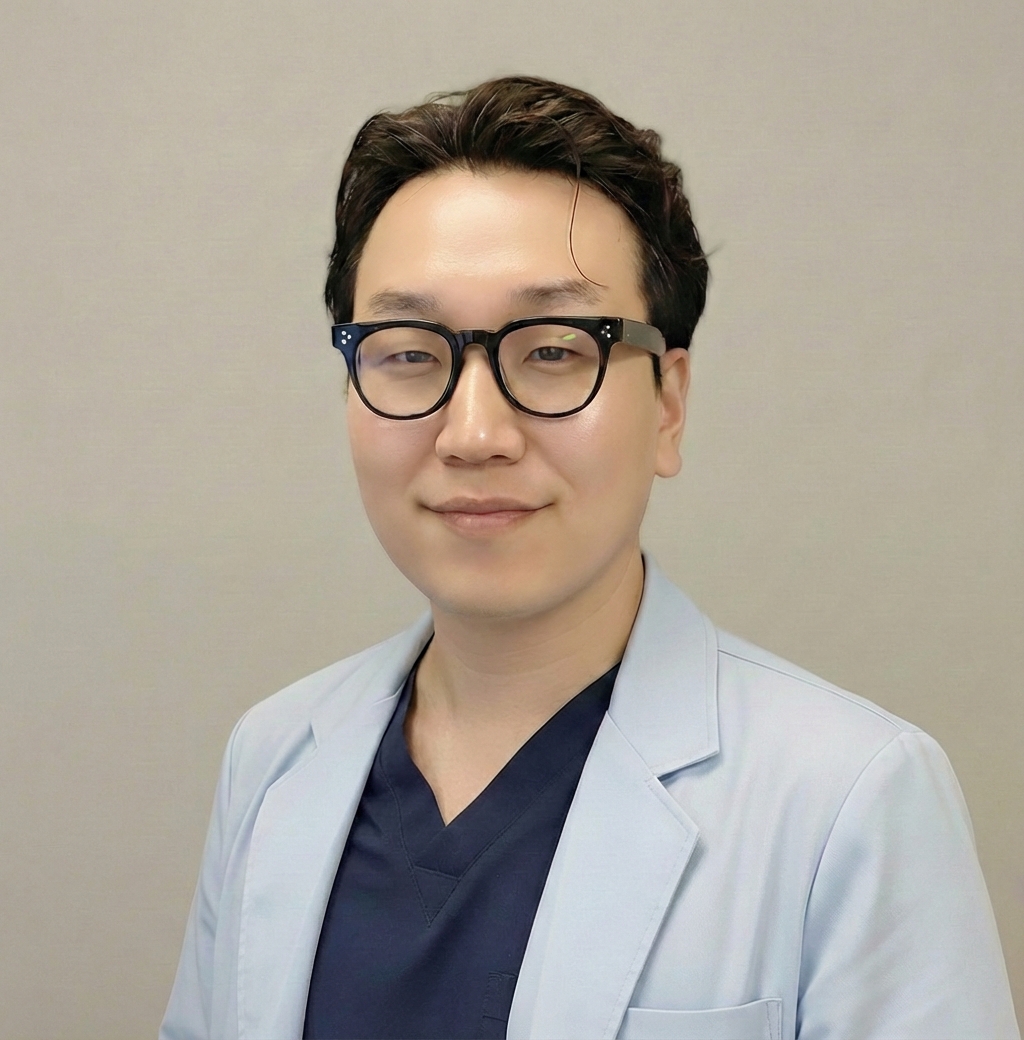
The director personally sees you from first to follow-up visits
We identify the essence through Sasang constitution, pulse and abdominal diagnosis
Treatment based on long clinical experience and evidence
Was this helpful? If you need accurate care for your condition, please contact us below.