
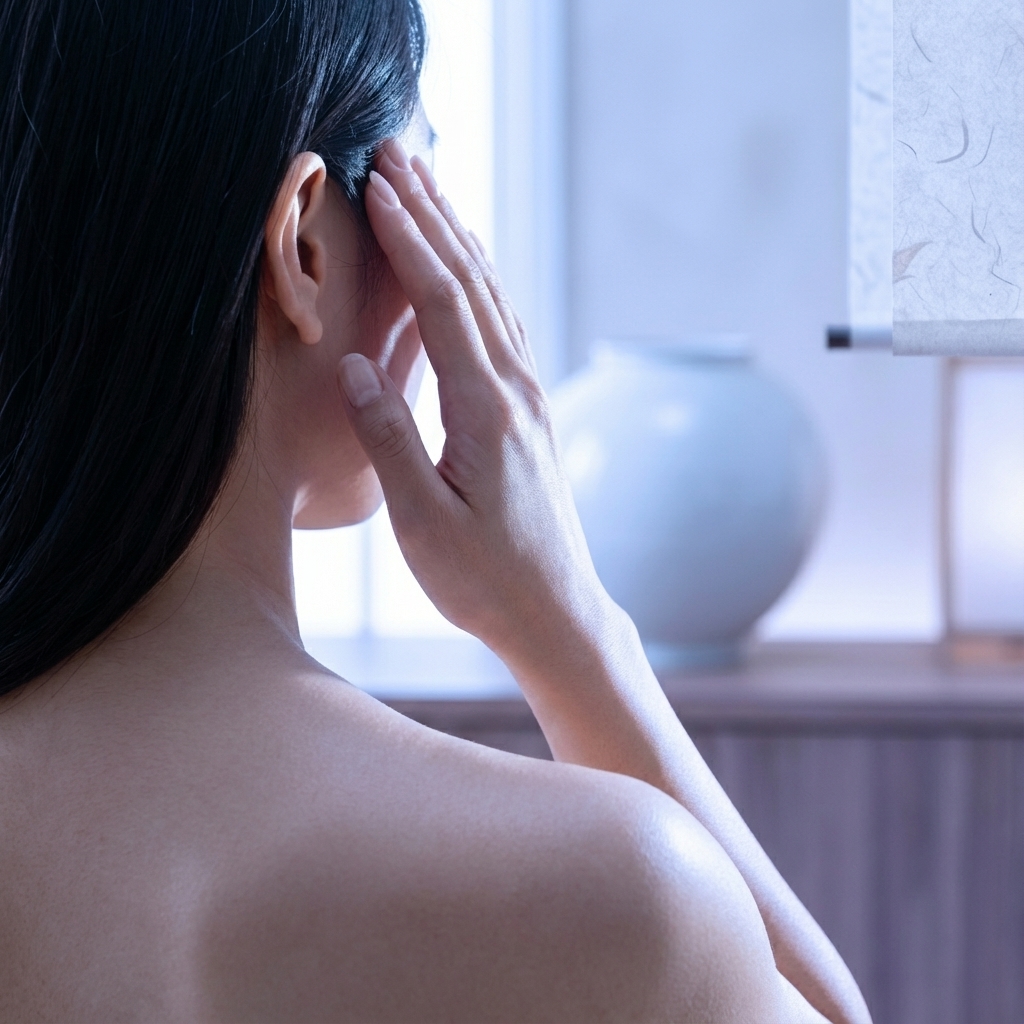
Trigeminal Neuralgia
Trigeminal Neuralgia
Intense facial pain along the trigeminal nerve

# Possibility / Realistic Goals (1)
# Comorbidities (2)
Q I can't tell whether it's trigeminal neuralgia or a TMJ disorder. My jaw area hurts and makes sounds when I chew—can they occur together?
A. Trigeminal neuralgia and temporomandibular joint disorder (TMD) are easily confused because their pain locations and triggering situations are similar, but they have different characteristics. They can occur together, so accurate differentiation is important, and when they coexist, treating both together is effective.
View details →Q Since developing trigeminal neuralgia, my headaches and anxiety have also gotten worse. I can't tell whether it's caused by the pain or a separate problem.
A. The chronic pain of trigeminal neuralgia commonly comes with headaches, anxiety, and depression. The pain continuously stimulates the nervous system, causing central sensitization, which creates a vicious cycle of headaches and anxiety. Recovery is faster when they are treated together.
View details →# Lifestyle Management (2)
Q I'm so afraid of an attack that I don't even want to talk or eat. How can I reduce attacks in daily life?
A. Protect your face with a scarf or mask so the trigger zone isn't directly stimulated, and chew soft foods slowly on the unaffected side. Stress and lack of sleep also increase attack frequency, so they must be managed together.
View details →Q The severe pain keeps me from sleeping, and I feel depressed and anxious. Do sleep and stress management affect trigeminal neuralgia too?
A. Lack of sleep and chronic stress make the nervous system hypersensitive, increasing the frequency and intensity of attacks. Breaking the vicious cycle of pain and insomnia is itself an important pillar of treatment.
View details →# Safety (2)
Q I'm in my 30s, both sides of my face hurt, and I sometimes have numbness in my hands and feet. Is this trigeminal neuralgia?
A. Bilateral trigeminal neuralgia, especially in those under 30, can be a sign of a neurological disorder such as multiple sclerosis (MS), so you must first undergo imaging (MRI) examination by a neurologist.
View details →Q Is it harmful to the nerves or liver to take herbal medicine for a long time? I am worried because I have already been taking medication for a long time.
A. Herbal medicine prescribed according to an accurate differential diagnosis offers high safety even with long-term use. If you are currently taking anticonvulsants, we proceed safely by monitoring liver function levels in parallel.
View details →# Drug Combination / Interactions (1)
# Prognosis / Recovery (2)
Q Can trigeminal neuralgia be completely cured? I've been getting by on medication alone for years, and I'm curious how much Korean medicine can improve it.
A. As long as nerve compression remains, a realistic goal is to reduce the frequency and intensity of attacks rather than achieve a complete cure. With consistent treatment over three months or more, pain attacks often decrease noticeably and medication dependence can be reduced.
View details →Q A neurosurgeon recommended microvascular decompression surgery. How should I choose between surgery and Korean medicine treatment?
A. If attacks are very frequent and medication is not working, surgery can be a fundamental solution. Korean medicine treatment plays a complementary role—stabilizing symptoms before surgery, or improving quality of life for those who do not want surgery.
View details →# Causes Explained (2)
Q What causes trigeminal neuralgia? Why does my facial nerve suddenly hurt so much?
A. In most cases, a blood vessel near the brainstem compresses the trigeminal nerve and damages its protective sheath (myelin). The core mechanism is that even a tiny stimulus triggers an explosive burst of excessive pain signals, like an electrical short circuit.
View details →Q Why does that terrible pain only come when I chew or speak? I feel fine normally, but a bite of food or a single word brings on a jolt like an electric shock.
A. It happens because the damaged trigeminal nerve responds abnormally to very small mechanical stimuli such as chewing, speaking, or even a breeze. The key feature of trigeminal neuralgia is that normal sensory signals are mistakenly converted into pain signals.
View details →# Food / Triggers (2)
Q The pain starts even when cold wind touches my face or I feel the air conditioner breeze. I'm so afraid of winter—why does this happen?
A. It is because the damaged trigeminal nerve has become extremely sensitive to temperature and mechanical stimuli. Cold wind, temperature changes, and direct contact can all touch the trigger zone and provoke a lightning-like attack.
View details →Q My pain seems worse on days I eat spicy or hot food or drink alcohol. Do I need to be careful with what I eat?
A. Spicy, hot, or irritating foods and alcohol can stimulate inflammation and Fire-Heat around the nerve, increasing the frequency of attacks. Eating bland, warm-temperature foods chewed gently helps reduce triggering stimuli.
View details →# Treatment Schedule (1)
# Treatment Stages (2)
Q If I treat trigeminal neuralgia with Korean medicine, in what specific order does it proceed?
A. First we reduce acute attacks with facial pharmacopuncture and heat-clearing prescriptions; next we restore qi and blood circulation through blood-activating, stasis-resolving therapy; and finally we stabilize the nerve's hypersensitive state. At each stage, we combine herbal medicine, acupuncture, and pharmacopuncture.
View details →Q What should I prepare before my first visit?
A. If you note down when the attacks started, which side and area of your face hurts, what triggers them, and the names and dosages of your current medications, your first visit will be much faster and more accurate.
View details →# Effectiveness (1)
Trigeminal Neuralgia is not just a simple symptom
Korean medicine that considers both your constitution and lifestyle rhythm treats the root cause.
From consultation to precise treatment, we provide personalized care.
Prescriptions tailored to your constitution and symptoms treat the root cause
The director personally sees you from first to follow-up visits
We identify the essence through Sasang constitution, pulse and abdominal diagnosis
Treatment based on long clinical experience and evidence
Was this helpful? If you need accurate care for your condition, please contact us below.