

Peptic Ulcer
Peptic Ulcer
Sores in the stomach or small intestine lining
# Possibility / Realistic Goals (1)
# Comorbidities (1)
# Lifestyle Management (2)
Q Is there anything I can do at home right away when my epigastrium suddenly burns and hurts?
A. Sipping lukewarm water or eating a little soft food dilutes the acid and eases the pain. Don't leave your stomach empty too long, and avoid alcohol, coffee, and spicy food. However, if you have black stool or vomit blood, go to the hospital immediately.
View details →Q What habits should I build to keep an ulcer from recurring?
A. Eat regularly in small frequent amounts, don't leave your stomach empty too long, cut down alcohol, coffee, and smoking, don't take painkillers carelessly, and manage stress—these are key. Small habits greatly reduce recurrence.
View details →# Safety (2)
Q My stool is black and I feel dizzy. Can this be treated with Korean medicine too?
A. Black stool, vomiting blood, and severe dizziness are warning signs of ulcer bleeding. In this case, you should go to the emergency room or internal medicine first without delay, not Korean medicine. Recovery treatment together is safe after the bleeding stops and you are stable.
View details →Q My stomach is eroded—won't herbal medicine irritate it or strain the liver?
A. A Korean medicine doctor sees your eroded stomach condition directly and prescribes in a less-irritating direction to minimize burden. Properly prescribed herbal medicine is managed so as not to harm liver function, and actually helps mucosal recovery.
View details →# Drug Combination / Interactions (2)
Q I take painkillers often for my joints, and since then my stomach has been eroded. Do I have to stop the painkillers?
A. NSAIDs weaken the stomach's defensive barrier and easily cause ulcers. If you truly need them, don't cut them off abruptly—adjust the dosing method and gastric protection together, and Korean medicine can help heal the eroded mucosa.
View details →Q I'm getting eradication treatment and stomach medication from internal medicine. Is it okay to take herbal medicine too?
A. Yes, if spaced out. We usually advise taking herbal and conventional medicine about 1–2 hours apart, keeping eradication and gastric protection while supporting mucosal recovery.
View details →# Prognosis / Recovery (2)
Q My ulcer heals but keeps recurring whenever I'm stressed or overdo it. Can I prevent it?
A. Peptic ulcer is closely tied to stress, diet, Helicobacter, and painkillers, so management matters. Building up mucosal recovery and addressing triggers together can lengthen the recurrence interval and lower its intensity.
View details →Q My ulcer has recurred for years. How long does Korean medicine treatment usually take?
A. Even long-recurring cases can stabilize well once mucosal recovery revives. Usually 1–3 months of steady treatment aims for a noticeable reduction in pain frequency and intensity.
View details →# Causes Explained (1)
# Food / Triggers (2)
Q My epigastrium hurts more when I skip meals or am on an empty stomach. Can treatment work even if I can't eat all my meals?
A. Pain that worsens on an empty stomach is because acid directly irritates the eroded mucosa, common in duodenal ulcers. Treatment still proceeds even if you can't eat perfectly, but recovery is much faster if you also keep regular meals.
View details →Q I drink often and love spicy food. What foods especially worsen an ulcer?
A. Alcohol, coffee, carbonated drinks, spicy and greasy food, plus overeating and smoking are the main culprits. They increase acid and irritate the mucosa, aggravating the wound. Just cutting down the amount and avoiding irritants speeds recovery.
View details →# Treatment Schedule (2)
Q It's hard to come often because of work. Realistically, how often do I need to visit?
A. You don't need to come every day. Usually it's acupuncture once or twice a week plus daily herbal medicine, so even busy people can be treated while keeping their daily life.
View details →Q I'm looking for a place near Dong-gu, Incheon. How does the first visit work?
A. At the first visit, we listen in detail to your pain pattern, eating habits, medications, and test results, and examine your stomach. Based on this, we set a treatment plan, herbal prescription, and lifestyle guidance together.
View details →# Treatment Stages (1)
# Effectiveness (2)
Q When I take acid medication I'm fine, but when I stop, my epigastric pain comes back. Can I live without medication?
A. Acid suppressants only press down acid to relieve pain, while the stomach environment prone to erosion remains, so it tends to recur when stopped. By reviving the mucosa's healing power and digestive rhythm, you can aim for a state not dependent on medication.
View details →Q The endoscopy says the ulcer has healed, but my epigastrium stays bloated and uncomfortable. Can this improve with Korean medicine too?
A. Even after the wound heals, the stomach's movement and sensation often become hypersensitive, leaving bloating and pain. Such functional discomfort, hard to detect on tests, is an area where Korean medicine that regulates stomach motility and sensitivity shows its strength.
View details →Peptic Ulcer is not just a simple symptom
Korean medicine that considers both your constitution and lifestyle rhythm treats the root cause.
From consultation to precise treatment, we provide personalized care.
Prescriptions tailored to your constitution and symptoms treat the root cause
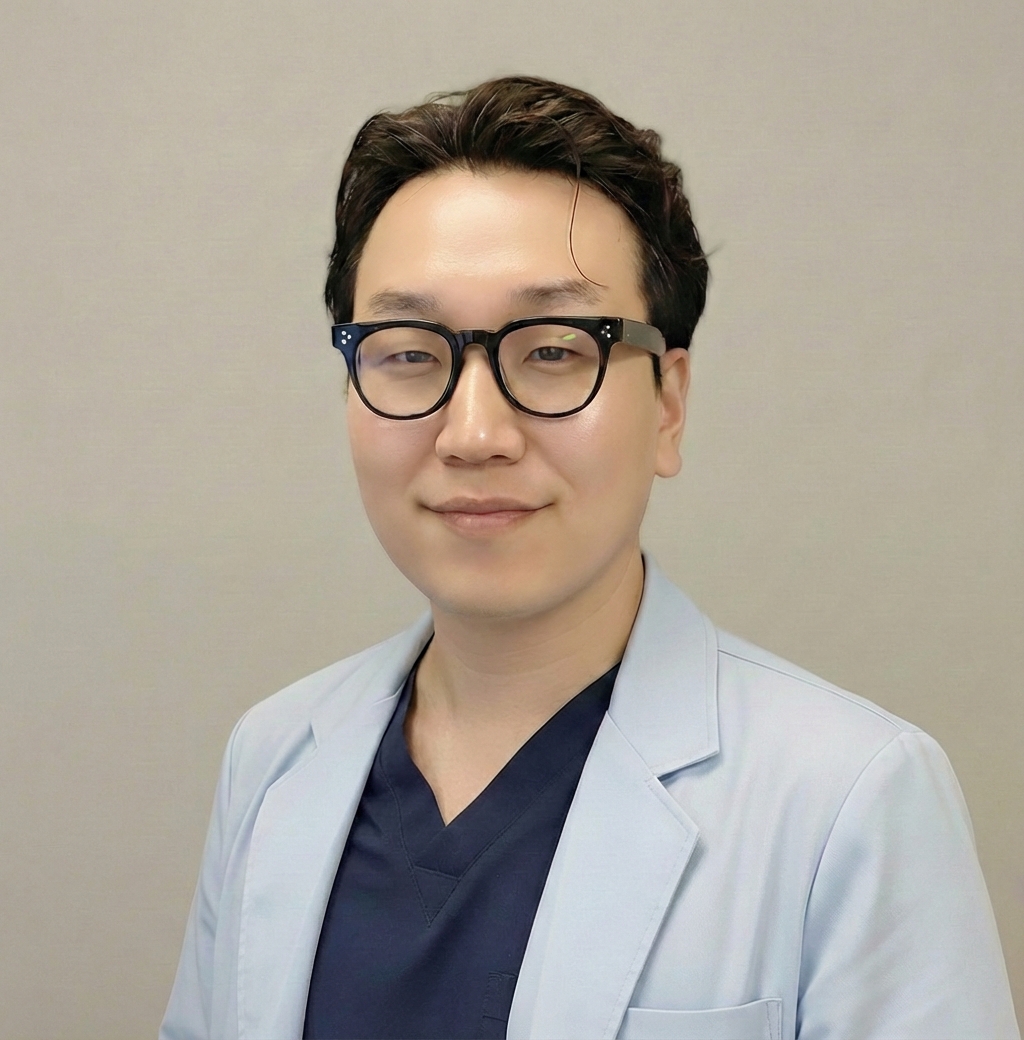
The director personally sees you from first to follow-up visits
We identify the essence through Sasang constitution, pulse and abdominal diagnosis
Treatment based on long clinical experience and evidence
Was this helpful? If you need accurate care for your condition, please contact us below.