

Crohn's Disease
Crohn Disease
Inflammatory bowel disease affecting any part of the digestive tract
# Possibility / Realistic Goals (1)
# Comorbidities (1)
# Lifestyle Management (2)
Q I was diagnosed with Crohn's but still smoke. Do I absolutely have to quit?
A. Yes, smoking is one of the strongest aggravating factors for Crohn's. Smokers have more than double the relapse rate of non-smokers and a higher likelihood of surgery. Quitting smoking is management you should practice before any treatment.
View details →Q I work in Dong-gu, Incheon and manage Crohn's disease. What matters most in daily life?
A. The keys are catching early relapse signs through regular tests (endoscopy, blood CRP, calprotectin), quitting smoking, keeping a low-residue diet as a baseline, getting enough sleep, and managing stress. Never stop medication on your own.
View details →# Safety (2)
Q With Crohn's, when should I go straight to the ER or hospital? I'm curious about warning signs.
A. If you have a high fever (over 38.5°C) with severe abdominal pain, a rigid hard abdomen, heavy bloody stool, sudden swelling or pus around the anus, or vomiting with no passage of gas or stool at all, go to the ER immediately.
View details →Q Won't taking herbal medicine while on immunosuppressants make me more vulnerable to infection?
A. Immunosuppressants themselves raise infection risk, but herbal medicine consists mostly of plant ingredients that undergo liver metabolism and do not further deepen immune suppression. If you share your medication list, we select a safe prescription without raising infection risk.
View details →# Drug Combination / Interactions (1)
# Prognosis / Recovery (2)
Q If Crohn's gets worse, will I eventually need surgery? Do I have to live with it forever?
A. It is reported that about 50–70% undergo at least one surgery within 10–20 years of diagnosis, but early diagnosis and active treatment can lower the likelihood of surgery. Even after surgical resection, a chance of relapse remains, so long-term management is essential.
View details →Q I was told I'm in remission. How long can remission last? Can I live without relapse?
A. Remission duration varies by patient, but with proper treatment and management, maintaining remission for several years is possible. Since smoking, poor diet, stress, and stopping medication on your own are the main causes of relapse, avoiding these is important.
View details →# Causes Explained (2)
Q What kind of disease is Crohn's disease? Is it different from ordinary enteritis or ulcerative colitis?
A. Crohn's disease is a chronic autoimmune disease in which inflammation can occur anywhere in the digestive tract (from mouth to anus). Ordinary enteritis is a temporary infection, and ulcerative colitis is confined to the colon mucosa, but Crohn's disease invades the full thickness of the bowel wall in layers.
View details →Q Why does Crohn's disease happen — is it my fault? Is it due to genetics or eating habits?
A. Crohn's disease arises from a complex interplay of genetic predisposition (such as the NOD2 gene), gut microbiome imbalance, and immune dysfunction. Specific foods or habits are not the direct cause, but stress, smoking, and a Western diet can promote onset and worsening.
View details →# Food / Triggers (2)
Q Are there foods Crohn's patients should especially avoid? What is safe to eat?
A. Clinical guidelines look at individual response before specific foods. In the active phase, a low-residue, low-fiber diet (white rice, boiled vegetables, fish) rests the bowel, while high-fat, high-fiber, raw vegetables, dairy, and carbonated drinks often worsen symptoms.
View details →Q Whenever I'm under a lot of stress, my stomach hurts and diarrhea worsens without fail. Does stress make Crohn's worse?
A. Yes, stress directly affects the gut immune response and mucosal permeability through the gut-brain axis and can hasten a Crohn's relapse. Stress management is as important as medication in Crohn's treatment.
View details →# Treatment Schedule (1)
# Treatment Stages (2)
Q How does Korean medicine treatment for Crohn's proceed? Are there stages?
A. It usually proceeds in three stages: ① acute-phase inflammation/symptom control (1–2 months) → ② mucosal regeneration/immune stabilization (2–4 months) → ③ remission maintenance/relapse prevention (long-term). Acupuncture and herbal medicine are combined according to your condition.
View details →Q What should I prepare before my first visit to the Korean medicine clinic?
A. Please prepare recent colonoscopy reports, blood test results (CRP, calprotectin, CBC), a list of medications you are currently taking, and a symptom diary (when abdominal pain was severe, frequency of diarrhea, presence of bloody stool). This will make your first visit much more accurate.
View details →# Effectiveness (2)
Q I heard Crohn's is intractable. Does Korean medicine actually help? Can it be cured?
A. For Crohn's disease, the current treatment goal is maintaining remission (a symptom-free state) rather than cure. Korean medicine can contribute to inflammation control, mucosal recovery, and immune balance, helping lengthen relapse intervals and improve quality of life.
View details →Q I'm on biologics. Would adding Korean medicine make treatment more effective?
A. Biologics block specific inflammatory pathways such as TNF-α, while Korean medicine regulates the overall gut environment and immune balance, so they are complementary. Combining them may help reduce relapse and lower dependence on biologics.
View details →Crohn's Disease is not just a simple symptom
Korean medicine that considers both your constitution and lifestyle rhythm treats the root cause.
From consultation to precise treatment, we provide personalized care.
Prescriptions tailored to your constitution and symptoms treat the root cause
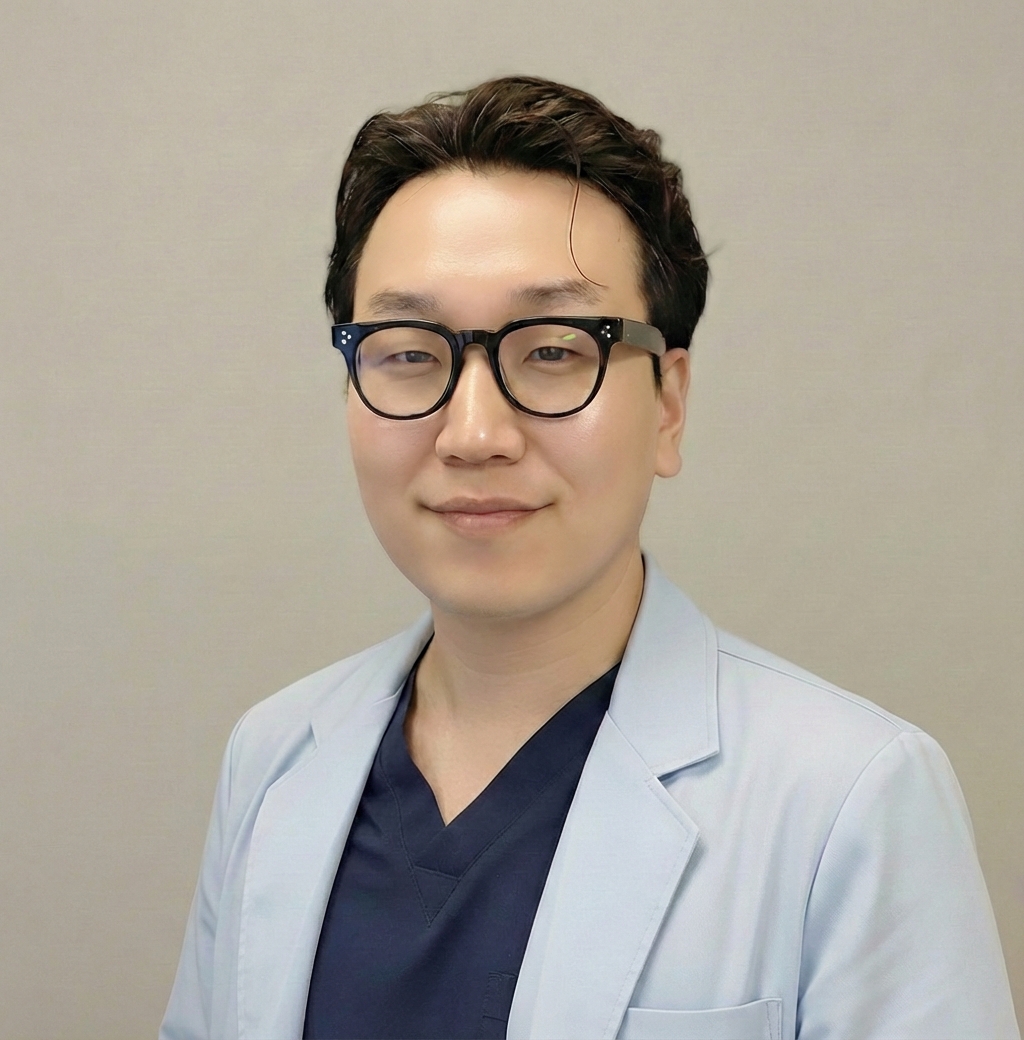
The director personally sees you from first to follow-up visits
We identify the essence through Sasang constitution, pulse and abdominal diagnosis
Treatment based on long clinical experience and evidence
Was this helpful? If you need accurate care for your condition, please contact us below.