
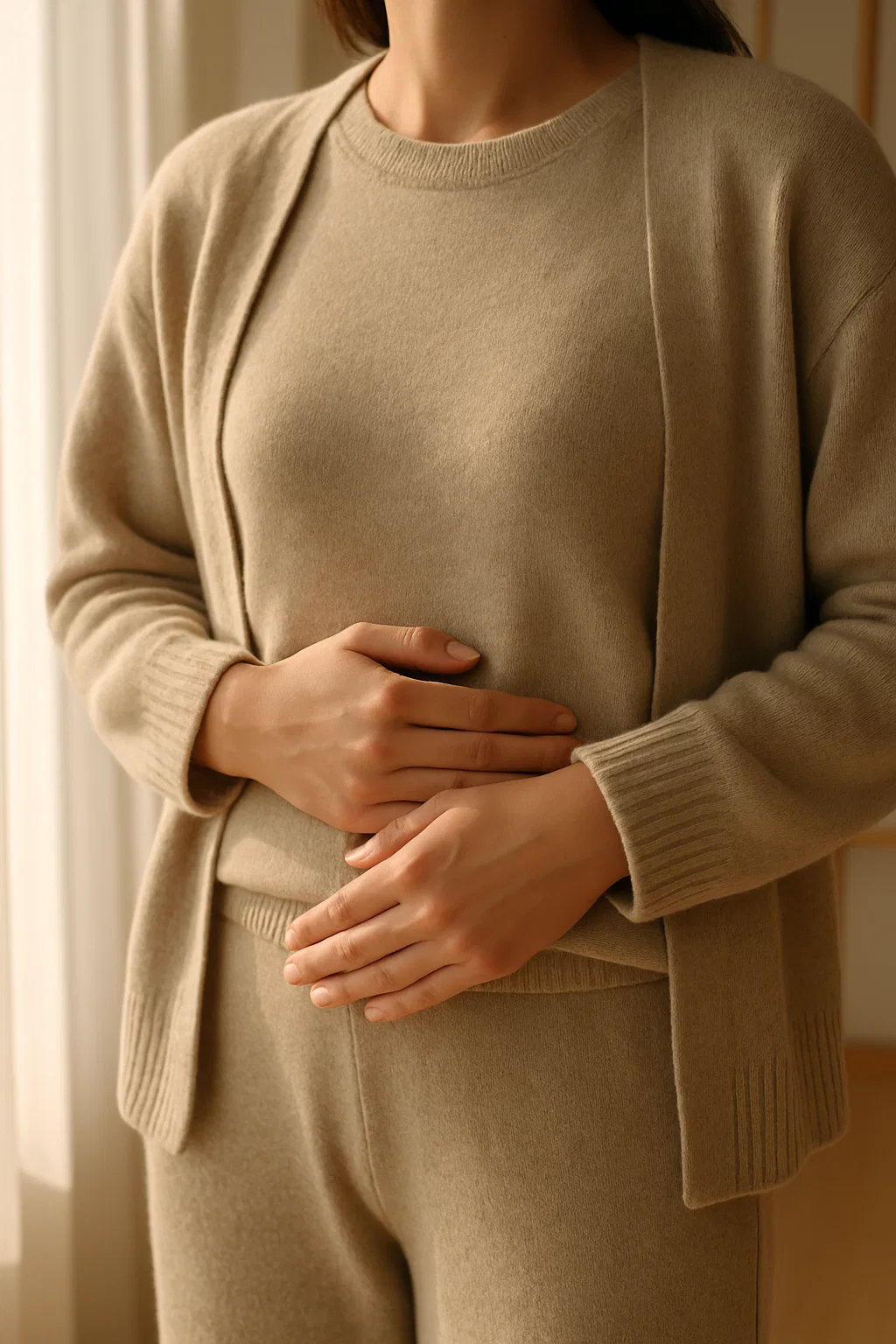
Colitis
Colitis
Inflammation of the colon causing pain and diarrhea

# Possibility / Realistic Goals (2)
Q I'm a man in my 40s working office hours. Can I live normally even with chronic colitis?
A. If you maintain remission well, most people can continue a normal working life. With consistent dietary control, stress management, and regular check-ups, you can extend symptom-free periods considerably.
View details →Q I was diagnosed with colitis but have few symptoms. Do I still need treatment?
A. Even without symptoms, ongoing inflammation can accumulate mucosal damage and worsen. Confirming your status through regular check-ups and slowing progression with diet and lifestyle management is preventively important.
View details →# Comorbidities (2)
Q I heard colitis can affect the skin too. Is that true?
A. Yes, chronic inflammatory bowel disease can be accompanied by extraintestinal complications such as skin rashes and oral ulcers. Often, when intestinal inflammation subsides, skin symptoms improve along with it.
View details →Q Are colitis and irritable bowel syndrome (IBS) different? Can I have both?
A. Colitis is an organic disease with confirmed actual mucosal inflammation, while IBS is a functional disorder without structural abnormality. The two can occur together or be mistaken for each other, so accurate differentiation matters.
View details →# Lifestyle Management (2)
Q Can I exercise during colitis? What kind of exercise helps?
A. During an acute flare with active inflammation, avoid vigorous exercise and prioritize adequate rest. In remission, low-intensity exercise such as light walking or stretching helps bowel motility and immune balance.
View details →Q How should I stay hydrated when I have colitis?
A. When diarrhea is severe, adequate hydration is essential to prevent dehydration. Sip lukewarm water or electrolyte drinks frequently in small amounts, and avoid cold or sugary beverages.
View details →# Safety (2)
Q With colitis, what symptoms mean I should go to the hospital right away?
A. If you have a high fever over 38°C, severe abdominal pain that disrupts daily life, heavy bloody stools, inability to hold stool, severe vomiting/dehydration, or rapid weight loss, seek emergency care immediately.
View details →Q Won't herbal medicine irritate my colon? My intestines are weak so I'm worried.
A. For colitis patients, prescriptions are adjusted to avoid irritating the intestines. If you tell us in advance that your intestines are weak, we start with a gentle, soothing prescription and adjust step by step.
View details →# Drug Combination / Interactions (1)
# Prognosis / Recovery (2)
Q Can chronic colitis eventually progress to colorectal cancer?
A. Acute colitis is mostly curable, but ulcerative colitis lasting more than 10 years may slightly increase the risk of colorectal cancer. Regular endoscopic follow-up is important, and maintaining a state of inflammation remission for as long as possible is the key to prevention.
View details →Q My colitis keeps getting better and then worse again — is it possible to fully recover?
A. Acute colitis is mostly completely curable. For chronic inflammatory bowel disease, complete cure is not yet achievable with current medicine, so maintaining remission and minimizing relapses is the realistic goal, but with consistent management, the period of living without symptoms can be greatly extended.
View details →# Causes Explained (2)
Q What is colitis? Why does it occur?
A. Colitis is a condition in which inflammation occurs in the colon mucosa, with abdominal pain, diarrhea, and fever as the main symptoms. It is divided into infectious, ischemic, and autoimmune types depending on the cause, and immune imbalance and changes in the intestinal environment are known as the main mechanisms.
View details →Q What is the difference between ulcerative colitis and regular colitis?
A. Regular colitis is often caused by short-term infections and heals after treatment, while ulcerative colitis is a chronic inflammatory bowel disease in which the immune system continuously attacks the colon mucosa. It requires long-term management with repeated cycles of relapse and remission.
View details →# Food / Triggers (2)
Q I often visit pojangmacha stalls in Dong-gu, Incheon — is spicy and greasy food really bad for colitis?
A. Spicy and greasy food directly irritates the colon mucosa and worsens inflammation. During colitis, it is best to reduce spicy food, alcohol, and raw vegetables, and eat soft, warm meals as a foundation.
View details →Q When I am very stressed, I suddenly get stomachache and diarrhea — can stress actually cause colitis?
A. Stress directly affects bowel movement and immune response through the gut-brain axis. Repeated psychological tension can weaken the mucosal defense function of the intestine, which may worsen inflammation.
View details →# Treatment Schedule (1)
# Treatment Stages (1)
# Effectiveness (1)
Colitis is not just a simple symptom
Korean medicine that considers both your constitution and lifestyle rhythm treats the root cause.
From consultation to precise treatment, we provide personalized care.
Prescriptions tailored to your constitution and symptoms treat the root cause
The director personally sees you from first to follow-up visits
We identify the essence through Sasang constitution, pulse and abdominal diagnosis
Treatment based on long clinical experience and evidence
Was this helpful? If you need accurate care for your condition, please contact us below.